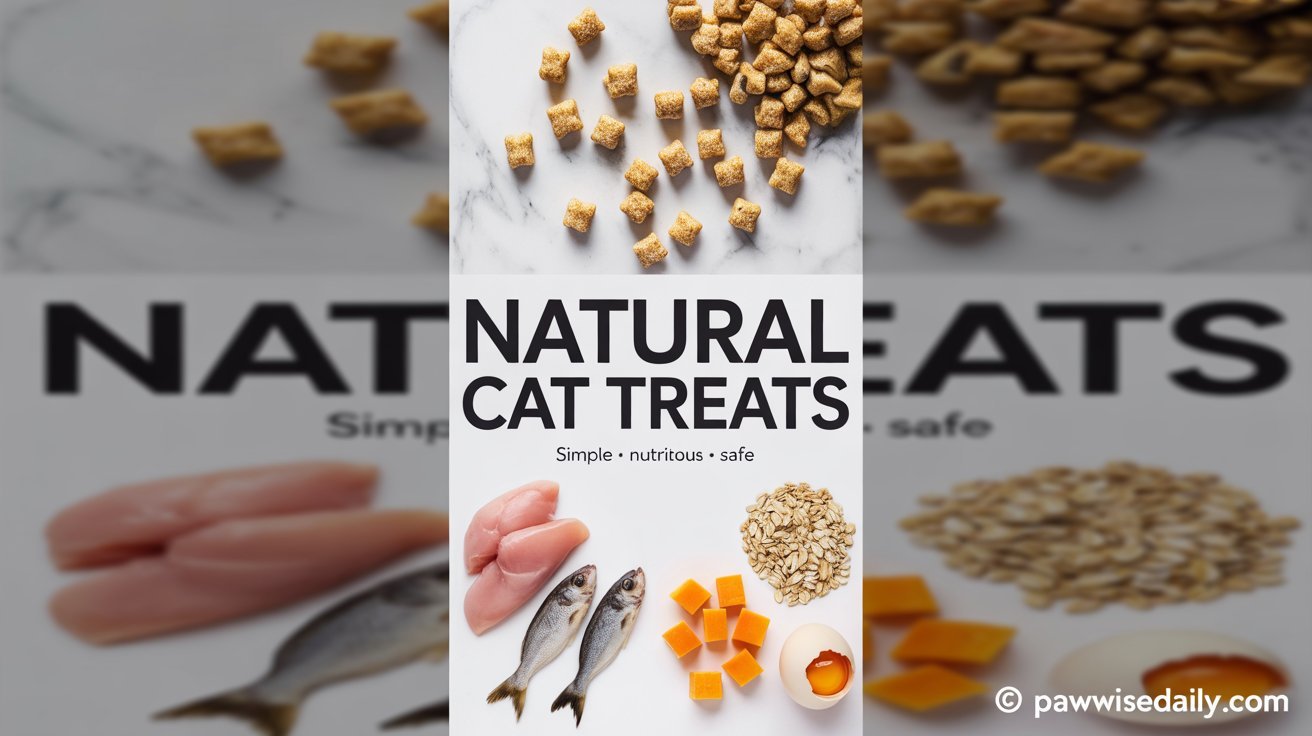
If you want to spoil your cat without reaching for highly processed snacks, simple whole foods can work beautifully—as long as they’re plain, safe, and served in tiny amounts. Cats are obligate carnivores, so treats should stay occasional and should never replace a complete, balanced cat diet. Different veterinary sources suggest keeping treats to roughly 5%–10% of daily calories, so think “tiny taste,” not “mini meal.” ASPCA Chewy PetMD
Before trying any new treat, especially if your cat has diabetes, a sensitive stomach, weight issues, or another medical condition, it’s smart to check with your veterinarian first. PetMD PetMD
1. Lean Cooked Turkey
Image: “Can Cats Eat Turkey? Benefits, Risks, and Feeding Tips” via PetMD.
Plain, lean turkey is a great savory treat for cats who love meaty bites. ASPCA says small amounts of lean cooked meats, including turkey, are okay for pets as long as they’re free of bones and seasoning. That means no gravy, no garlic, no onion powder, and no salty deli meat. ASPCA
A tiny shred or two of plain cooked turkey is plenty for treat time. ASPCA
Helpful links: Safety notes · Image source
2. Cooked Salmon
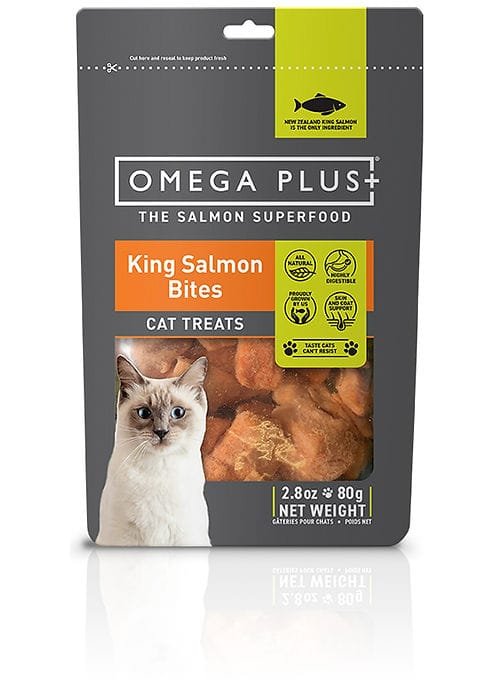
Image: “Omega Plus® Salmon Bites for Your Cat” via Omega Plus.
Salmon is one of the most popular natural treats for cats, and for good reason. Chewy notes that salmon provides protein and omega-3 fatty acids, but it should always be served thoroughly cooked. Chewy
Keep it plain and unseasoned, and offer only a very small amount. Chewy’s general guidance is that all treats together should stay under 10% of your cat’s daily calories, and about 2 teaspoons of cooked salmon or chicken can already get you close to a day’s treat allowance. Chewy
Helpful links: Safety notes · Image source
3. Plain Cooked Eggs
Image: “Can Cats Eat Eggs?” via Chewy.
Eggs can be a protein-rich treat for cats when prepared simply. PetMD says cats can eat scrambled eggs or boiled eggs with no salt or seasonings. It also notes that egg whites are leaner than yolks, since yolks add more fat and calories. PetMD
The big rule here is to skip raw eggs. PetMD warns that raw eggs can carry salmonella, so cooked eggs are the safer choice. A small spoonful is enough for most cats. PetMD
Helpful links: Safety notes · Image source
4. Plain Pumpkin
Image: “Can Cats Eat Pumpkin?” via Chewy.
Pumpkin is one of the easiest pantry treats to keep around. ASPCA includes cooked pumpkin and canned pumpkin among pet-safe snack options, with the reminder to avoid seasonings. ASPCA
For cats, the safest version is plain pumpkin only—not pumpkin pie filling and not anything sweetened or spiced. A little smear on a plate or a tiny spoonful mixed into food is more than enough. ASPCA
Helpful links: Safety notes · Image source
5. Blueberries
Image: “Can Cats Eat Blueberries?” via PetMD.
If your cat is curious about fruit, blueberries are one of the safer options. PetMD says blueberries contain antioxidants, flavonoids, fiber, and vitamins C, K, and E. PetMD
Fresh fruit should be washed first, served plain, and given sparingly. PetMD’s general fruit guidance is to avoid added sugars or preservatives and keep all treats combined to no more than 10% of the diet. PetMD
Helpful links: Fruit safety guide · Image source
6. Cantaloupe
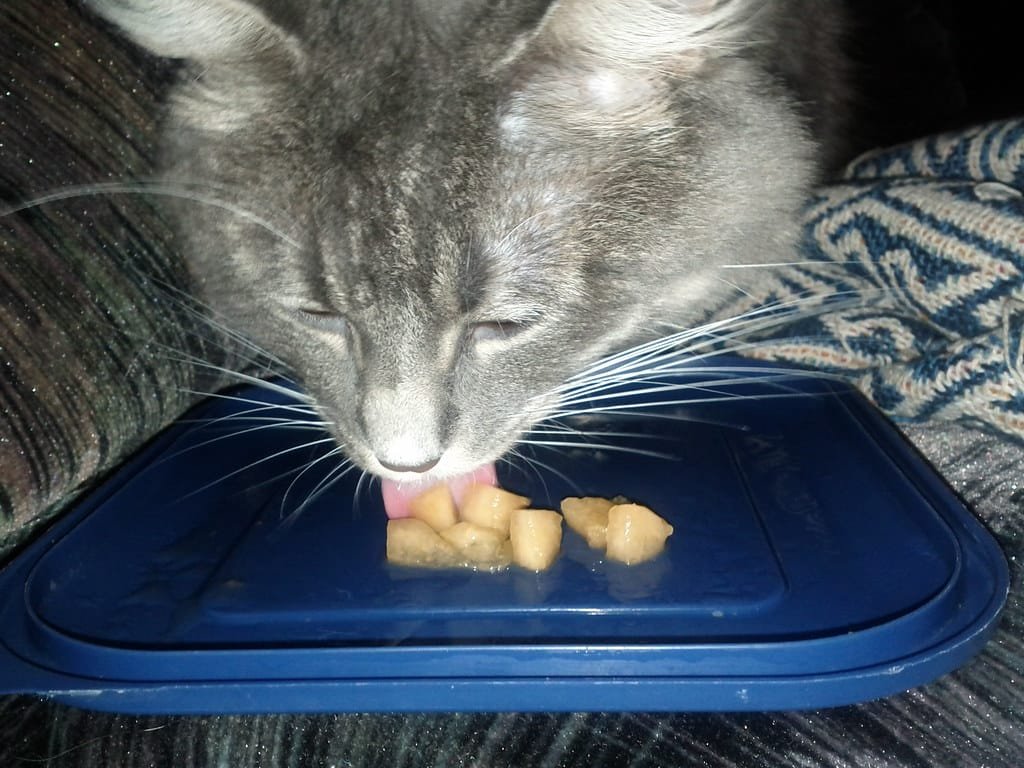
Image: “Nushi loves her cantaloupe” via Flickr.
Cantaloupe is a surprisingly popular fruit with some cats. PetMD says cats may be drawn to it because its scent resembles meat proteins, and it also provides vitamin C, beta carotene, fiber, and antioxidants. PetMD
To serve it safely, wash it, remove seeds and rind, and cut it into tiny bite-size pieces. Like all fruit, it should be just an occasional nibble, not a regular part of the menu. PetMD
Helpful links: Fruit safety guide · Image source
7. Green Beans
Image: “Can Cats Eat Green Beans?” via PetMD.
Green beans are a smart lower-calorie snack if your cat likes them. PetMD says they’re safe and nutritious in moderation, and because they’re high in fiber and low in sugar, they can be a satisfying treat option. PetMD
The preparation matters: serve them plain and unseasoned, because onion, garlic, chives, leeks, and similar ingredients are dangerous to cats. PetMD says two or three 1-inch pieces a day should be fine for most cats. PetMD
Helpful links: Safety notes · Image source
A Quick Safety Note
The best natural cat treats are plain, simple, and boring by human-food standards. Skip salt, sauces, butter, oils, onion, garlic, sweeteners, and anything heavily seasoned. If you’re sharing meat, make sure it’s cooked and boneless; if you’re sharing fruit or vegetables, keep the pieces tiny and simple. ASPCA PetMD PetMD
And don’t be surprised if your cat rejects half the list. Cats are famously picky, so the “best” natural treat is ultimately the one your cat enjoys and tolerates well. PetMD Chewy