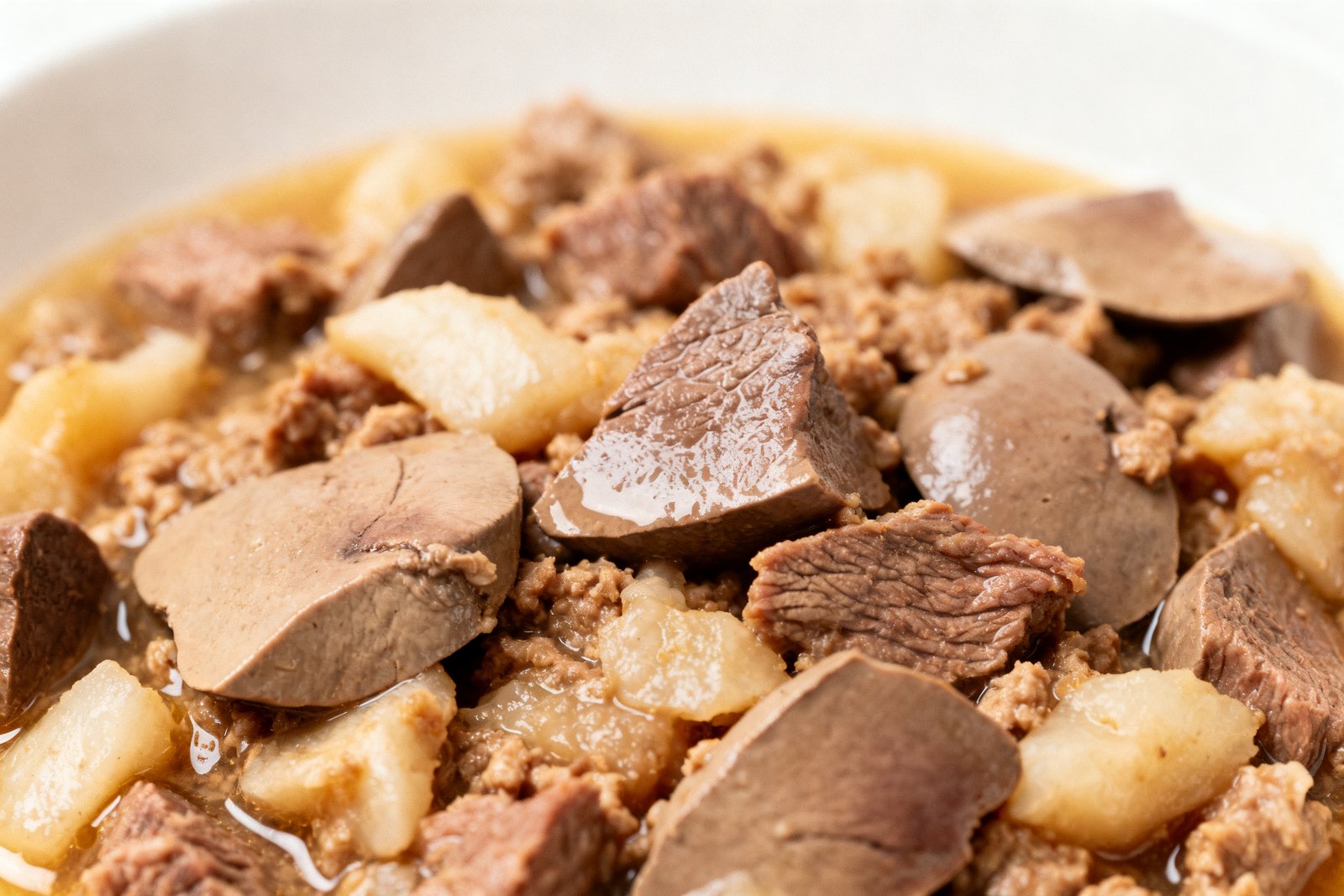
Cats thrive on high-quality animal protein, and a thoughtfully prepared homemade meal can be a tasty way to support their health. This beef and turkey liver recipe delivers dense nutrition, strong flavors most cats love, and a satisfying texture. With a few pantry staples and proper portions, you can make a balanced, safe meal that complements your cat’s regular diet. Always introduce new foods slowly, and check with your veterinarian if your cat has medical conditions or is on a prescription diet.
Why Liver and Beef Work Well for Cats
Cats are obligate carnivores, which means they need nutrients found primarily in animal tissues, including taurine, arachidonic acid, and vitamin A. Beef provides complete protein, essential amino acids, iron, zinc, and B vitamins. Turkey liver is a nutrient powerhouse, offering natural vitamin A, B12, riboflavin, folate, and high-quality protein.
When used in moderation, liver adds nutrition and flavor that can entice picky eaters. However, too much liver can lead to excess vitamin A intake, so keeping portions appropriate is key.
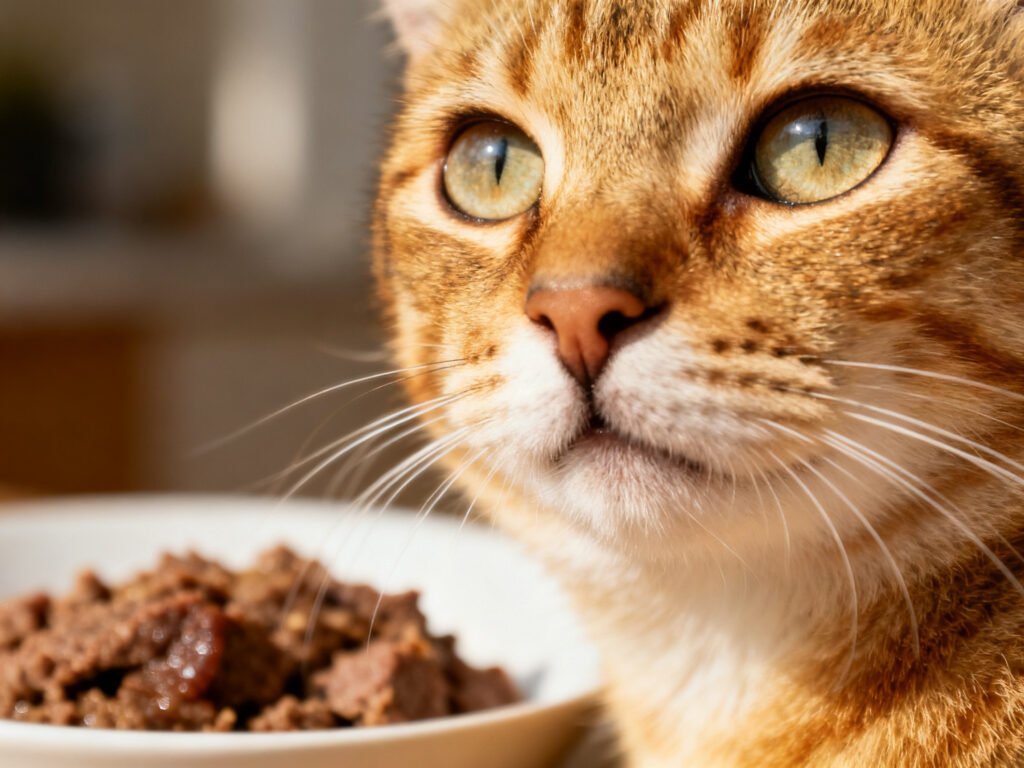
Before You Start: Safety and Balance Tips
- Cook liver lightly to reduce risk of pathogens while preserving nutrients. Avoid serving raw unless guided by a veterinary nutritionist.
- Watch the portion of liver. As a rule of thumb, aim for liver to make up no more than about 5–10% of the total meal by weight unless a vet advises otherwise.
- Include a calcium source when not feeding bone. Cats need calcium to balance phosphorus in meat. Food-grade eggshell powder or a vet-approved calcium supplement works well.
- Keep taurine in mind. Cooking can reduce taurine. Use dark meats, avoid overcooking, and consider a taurine supplement if this meal is more than an occasional topper.
- Introduce new foods slowly. Start with a teaspoon mixed into your cat’s usual food and increase gradually over several days.
- Consult your veterinarian if your cat has kidney disease, pancreatitis, food allergies, or other health concerns.
Ingredients and Substitutions
This small-batch recipe makes roughly 4–6 cat-sized portions, depending on your cat’s age, size, and current diet. Store leftovers in the refrigerator for up to 48 hours or freeze in small portions for up to 2 months.
- 8 ounces (225 g) lean ground beef (90–95% lean)
- 1.5–2 ounces (45–60 g) turkey liver, finely chopped
- 1 teaspoon food-grade eggshell powder (or vet-approved calcium supplement, per label)
- 1 tablespoon water or low-sodium, onion-free broth
- 1 teaspoon plain pumpkin puree (optional, for gentle fiber)
- 1/4 teaspoon fish oil or krill oil (optional, for omega-3s; check dose guidance)
- Pinch of taurine powder (optional but helpful if feeding regularly; follow supplement label)
Substitutions:
- Use chicken liver if turkey liver isn’t available; portion size remains the same.
- Ground turkey thigh can replace beef; dark meat helps boost taurine.
- If eggshell powder isn’t available, use a calcium carbonate supplement designed for pets and follow the label.
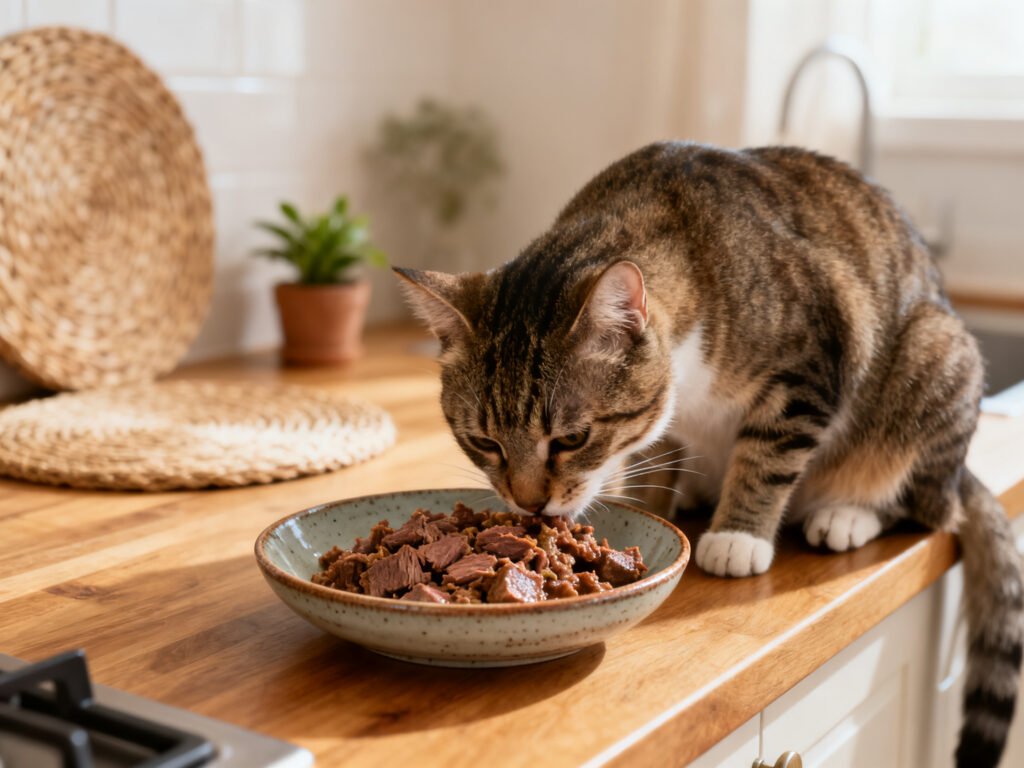
Step-by-Step Cooking Instructions
- Prep the liver: Rinse and pat dry. Finely chop the turkey liver so it cooks quickly and blends well.
- Lightly cook the beef: In a small nonstick pan over medium heat, add the ground beef. Cook just until browned but still moist, breaking it up into small pieces. Do not overcook.
- Add the liver: Stir in the chopped turkey liver and the tablespoon of water or broth. Cook for 1–2 minutes, just until the liver is no longer raw on the outside but still tender.
- Cool slightly: Remove from heat and let the mixture cool until warm, not hot.
- Add supplements: Stir in the eggshell powder and any optional additions like pumpkin puree, fish oil, and taurine powder. Mix thoroughly so the calcium is evenly distributed.
- Serve: Offer a small portion on its own or mixed into your cat’s regular food. Refrigerate leftovers promptly.
Portion Guidance and Feeding Frequency
Portions depend on your cat’s age, size, and activity level. Most adult indoor cats eat about 180–280 calories per day, though this varies widely. This recipe is rich and should be introduced slowly.
- As a topper: Start with 1–2 teaspoons mixed into your cat’s usual complete-and-balanced food once daily.
- As part of a meal: Offer 1–2 tablespoons, then adjust based on appetite and body condition. Ensure the rest of your cat’s diet remains complete and balanced.
- Frequency: 2–3 times per week is a good rhythm for liver-containing meals unless a veterinarian has designed a full homemade plan.
If you’re planning to feed homemade meals regularly, ask your vet or a board-certified veterinary nutritionist to help build a complete recipe that meets AAFCO or FEDIAF profiles for your cat’s life stage. This typically involves precise calcium, vitamin E, taurine, and essential fatty acid supplementation.
Nutrition Notes: What Makes This Recipe Shine
- High-quality protein: Supports lean muscle, healthy skin, and immune function.
- Taurine support: Beef and dark poultry tissues contain taurine; consider a supplement for consistency.
- Vitamin A and B vitamins: Turkey liver offers natural vitamin A and B12 for vision, metabolism, and red blood cell health.
- Mineral balance: Added calcium from eggshell powder helps balance phosphorus in meat.
- Healthy fats: A splash of fish oil adds omega-3s for skin, coat, and joint support.
Remember that vitamin A is fat-soluble. While liver is beneficial, excess can be harmful over time. Keep liver portions modest and varied with other protein sources throughout the week.
Transition Tips for Picky or Sensitive Cats
- Go slow: Start with a pea-sized amount mixed into familiar food. Increase every day or two if stools remain normal and your cat feels well.
- Adjust texture: Some cats prefer pâté. Pulse the cooked mixture with a bit of warm water until smooth.
- Temperature matters: Serve slightly warm to enhance aroma. Avoid microwaving fish oil or supplements; add them after warming.
- Watch digestion: Mild stool changes can occur with new foods. Persistent vomiting, diarrhea, or lethargy are reasons to stop and call your vet.
Storage and Food Safety
- Refrigeration: Store cooked portions in an airtight container for up to 48 hours.
- Freezing: Freeze in ice cube trays or silicone molds for up to 2 months. Thaw in the fridge overnight.
- Hygiene: Wash hands, surfaces, and utensils that contact raw meat or liver. Keep cat bowls clean to prevent bacterial growth.
When to Talk to Your Veterinarian
Check in with your vet before making homemade meals a regular habit, especially if your cat is a kitten, senior, overweight, or has conditions like kidney disease, diabetes, or pancreatitis. Your vet can help tailor portions, supplements, and frequency to keep your cat’s diet safely balanced. If you notice itching, digestive upset, or changes in appetite or weight, pause the recipe and seek veterinary advice.
Frequently Asked Questions
Can I use chicken liver instead of turkey liver?
Yes. Chicken liver is a fine substitute, and the portion size stays the same. Keep liver to about 5–10% of the meal to avoid excess vitamin A over time.
Is this recipe complete and balanced for daily feeding?
No. This small-batch recipe is nutritious but not a fully balanced long-term diet on its own. Use it as a topper or occasional meal unless a veterinarian or nutritionist customizes it with the right supplements to meet all requirements.
Can I serve this raw?
Feeding raw carries a higher risk of bacteria and parasites. If you’re interested in raw feeding, consult your veterinarian for safe sourcing, handling, and a balanced formulation. Lightly cooking the meat and liver reduces risk while keeping palatability high.
How do I make eggshell powder?
Rinse empty eggshells, remove membranes, and bake at 250°F (120°C) for 10–15 minutes to dry. Grind to a very fine powder with a clean coffee grinder. Store airtight. Use sparingly and consistently for calcium balance.
Final Thoughts
This beef and turkey liver cat meal can be a delicious, protein-rich addition to your cat’s routine when used thoughtfully. Keep liver portions modest, include a reliable calcium source, and introduce new foods gradually. For cats with special needs or for long-term homemade feeding, partner with your veterinarian to ensure complete nutrition. If you’re also welcoming a dog to the family, you might enjoy our New Puppy Checklist as a friendly getting-started guide.
Printable Recipe Card
Want just the essential recipe details without scrolling through the article? Get our printable recipe card with just the ingredients and instructions.