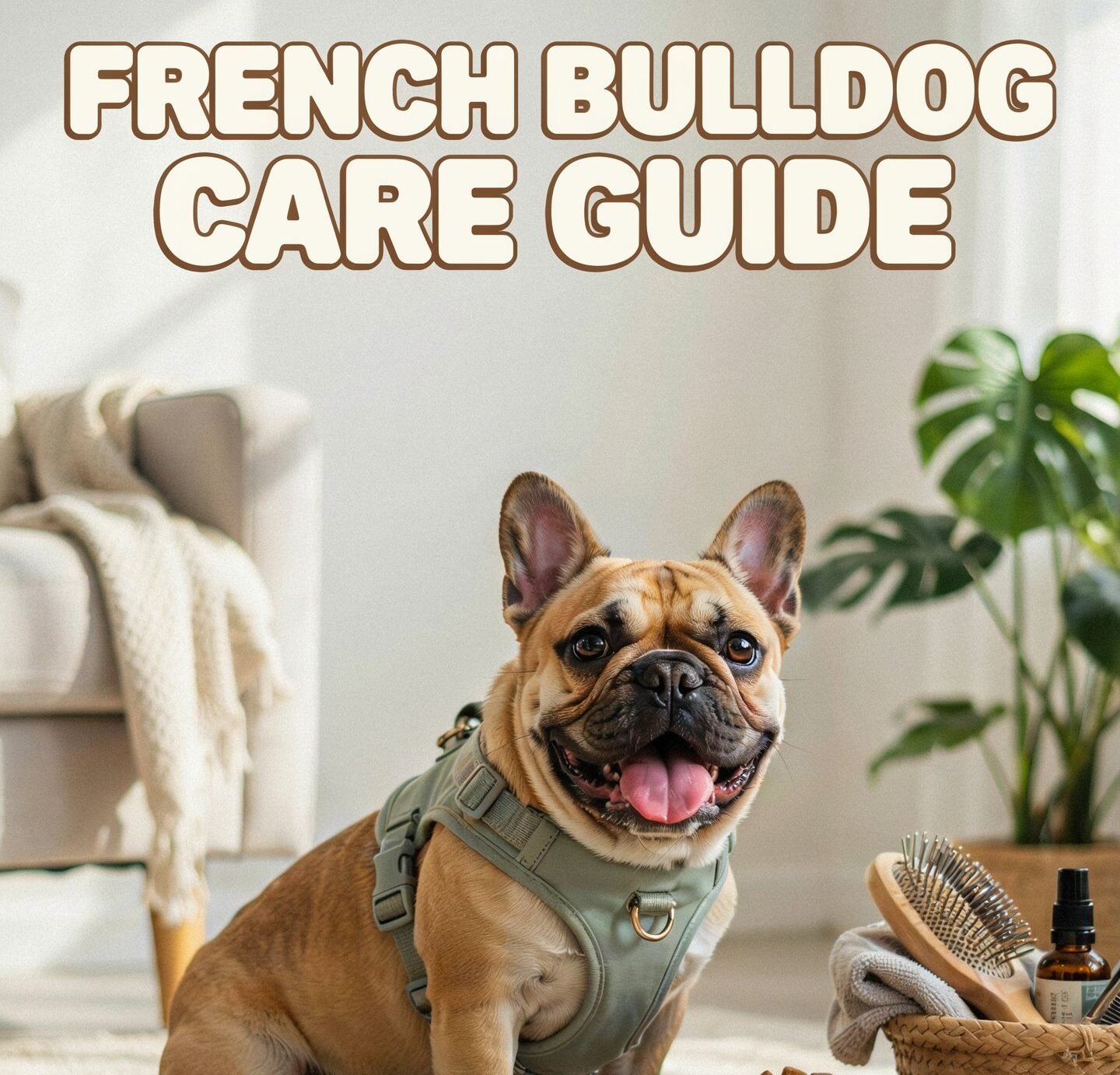
French Bulldogs are easy to love. With their signature bat ears, compact build, and affectionate personality, Frenchies have become one of the most popular small dog breeds, especially for apartment and city living. The American Kennel Club describes them as playful, alert, adaptable, and even-tempered—great qualities for first-time owners. But their cute flat-faced look also comes with care needs that new owners should understand from day one. Source
Image source: PICRYL
Why French Bulldogs Need Special Care
Frenchies are a brachycephalic breed, meaning they have a shortened snout and compressed airway anatomy. The MSPCA explains that this structure can make breathing harder and may contribute to snorting, loud snoring, gagging, exercise intolerance, and overheating. That means your care routine should focus not just on basics like food and walks, but also on temperature control, weight management, and watching for breathing problems. Source
1. Keep Your Frenchie Cool and Avoid Overheating
One of the biggest things new owners need to know is that French Bulldogs do not tolerate heat well. Because brachycephalic dogs are less efficient at cooling themselves, the MSPCA advises avoiding stress and heat, while PetMD notes that Frenchies should be kept indoors on very hot or humid days and exercised during cooler morning or evening hours. Source Source
For new owners, that means skipping midday walks in summer, making sure fresh water is always available, and treating heavy panting, distress, or exercise intolerance as warning signs rather than “normal Frenchie behavior.” Source
2. Use a Harness Instead of a Collar
A harness is often a better choice for French Bulldogs than a neck collar. The MSPCA specifically recommends using a harness instead of a collar for brachycephalic dogs, since pressure on the neck can worsen airway stress in a breed already prone to breathing difficulty. Source
This is one of the simplest care upgrades a new owner can make. A well-fitted harness can make walks safer and more comfortable, especially for dogs that already snore, snort, or breathe noisily. Source
3. Watch Weight Closely
French Bulldogs may look sturdy, but extra pounds can make their biggest health risks worse. The MSPCA advises owners to avoid overfeeding and maintain ideal body weight, and ASPCA recommends feeding high-quality food, limiting extras, and keeping fresh water available at all times. Source Source
For puppies, ASPCA recommends more frequent meals based on age, while adults usually do best on measured portions and limited treats. In a Frenchie, healthy weight is not just about appearance—it can affect breathing, stamina, and strain on joints and back. Source
Image source: PxHere
4. Exercise Them, But Don’t Overdo It
Frenchies still need daily activity, even though they are not endurance dogs. The ASPCA says dogs need exercise for health, calorie burning, and mental stimulation, while the AKC describes French Bulldogs as playful and adaptable. Source Source
For new owners, the key is moderation: short walks, light play sessions, and indoor enrichment are usually smarter than long runs or intense activity. If your Frenchie seems reluctant in heat, pants heavily, or tires quickly, stop and cool them down. Source Source
5. Clean Skin Folds and Ears Regularly
French Bulldogs are known for sensitive skin, facial folds, and tail folds that can trap moisture and debris. PetMD specifically advises pet parents to regularly clean skin and tail folds to help prevent infections, and also lists ear infections among common French Bulldog health problems. Source
That means your grooming routine should include more than brushing. Check folds for redness, odor, dampness, or irritation, and keep ears clean and dry. Consistent maintenance can help you catch problems early before they turn into expensive vet visits. Source
6. Don’t Ignore Dental Care
Dental disease is another common issue in French Bulldogs. PetMD recommends brushing your Frenchie’s teeth regularly with a soft-bristle toothbrush and dog-specific toothpaste, while the ASPCA includes a dog toothbrush on its essential supply checklist. Source Source
Daily or near-daily brushing is ideal. If you start young, your dog is much more likely to accept it as a normal routine. Dental care is one of those small habits that pays off long term in comfort, breath quality, and overall health. Source
7. Learn the Breed’s Common Health Risks
French Bulldogs are charming, but they are not a low-risk breed medically. PetMD highlights a long list of common issues, including brachycephalic obstructive airway syndrome, heatstroke, skin problems, ear infections, back injuries, eye disorders, chronic digestive problems, hip dysplasia, luxating patella, dental disease, and bladder or kidney stones. Source
The goal is not to panic—it is to be prepared. If your Frenchie snores loudly, struggles in warm weather, vomits frequently, seems painful when moving, rubs at the eyes, or gets repeated skin irritation, those are signs to call your veterinarian rather than wait it out. Source Source
8. Be Smart About Vet Care and Budgeting
Because the breed can be expensive to care for medically, PetMD says new owners should be financially prepared for health issues and strongly recommends pet insurance. The same source also advises asking breeders for health information on the puppy and parents. Source
Routine vet care matters too. The ASPCA emphasizes vaccinations, parasite prevention, safe medications prescribed by a veterinarian, and basic preventive care as part of responsible dog ownership. Source
Image source: PxHere
9. Create a Calm, Structured Home Routine
French Bulldogs tend to do best in homes with routine and close companionship. The AKC describes them as adaptable and even-tempered, while the ASPCA recommends a warm, quiet resting space, clean bedding, ID tags, and safe handling for small dogs. Source Source
For first-time owners, that means setting up a simple routine for feeding, potty breaks, short walks, rest, grooming checks, and quiet time. Frenchies usually thrive when they know what to expect and get plenty of human interaction without being overstimulated. Source Source
Final Thoughts
A French Bulldog can be a fantastic companion for a new dog owner—but only if you understand the breed beyond the cute face. Frenchies need smart temperature management, careful weight control, regular fold and dental care, moderate exercise, and prompt veterinary attention when breathing, skin, or mobility issues show up. If you build those habits early, you’ll be much better prepared to give your Frenchie a safe, comfortable, and happy life. Source Source Source
FAQ Section for SEO
Are French Bulldogs good for first-time owners?
Yes, they can be. The AKC describes them as playful, adaptable, and even-tempered, but first-time owners should be ready for the breed’s special health and temperature-management needs. Source Source
Do French Bulldogs need a lot of exercise?
Not usually. They still need daily exercise and mental stimulation, but moderate activity is generally safer than intense workouts, especially in warm weather. Source Source
Why are French Bulldogs prone to overheating?
French Bulldogs are brachycephalic, meaning their shortened airway anatomy can make breathing and cooling less efficient. Source
How often should you clean a French Bulldog’s folds?
Regularly enough to keep them clean and dry. Fold care should be part of routine grooming because moisture and debris can contribute to skin infections. Source