Havanese dogs are bright, affectionate, and eager to please—the perfect recipe for a fun training journey. They’re people-oriented and sensitive, which means they respond best to kindness and consistency. With the right approach, your Havanese can master manners, tricks, and house rules while building an even stronger bond with you.
Whether you’ve just welcomed a fluffy pup or you’re fine-tuning an adult dog’s skills, these practical tips will help you make steady, happy progress.
1. Start With Gentle, Positive Reinforcement
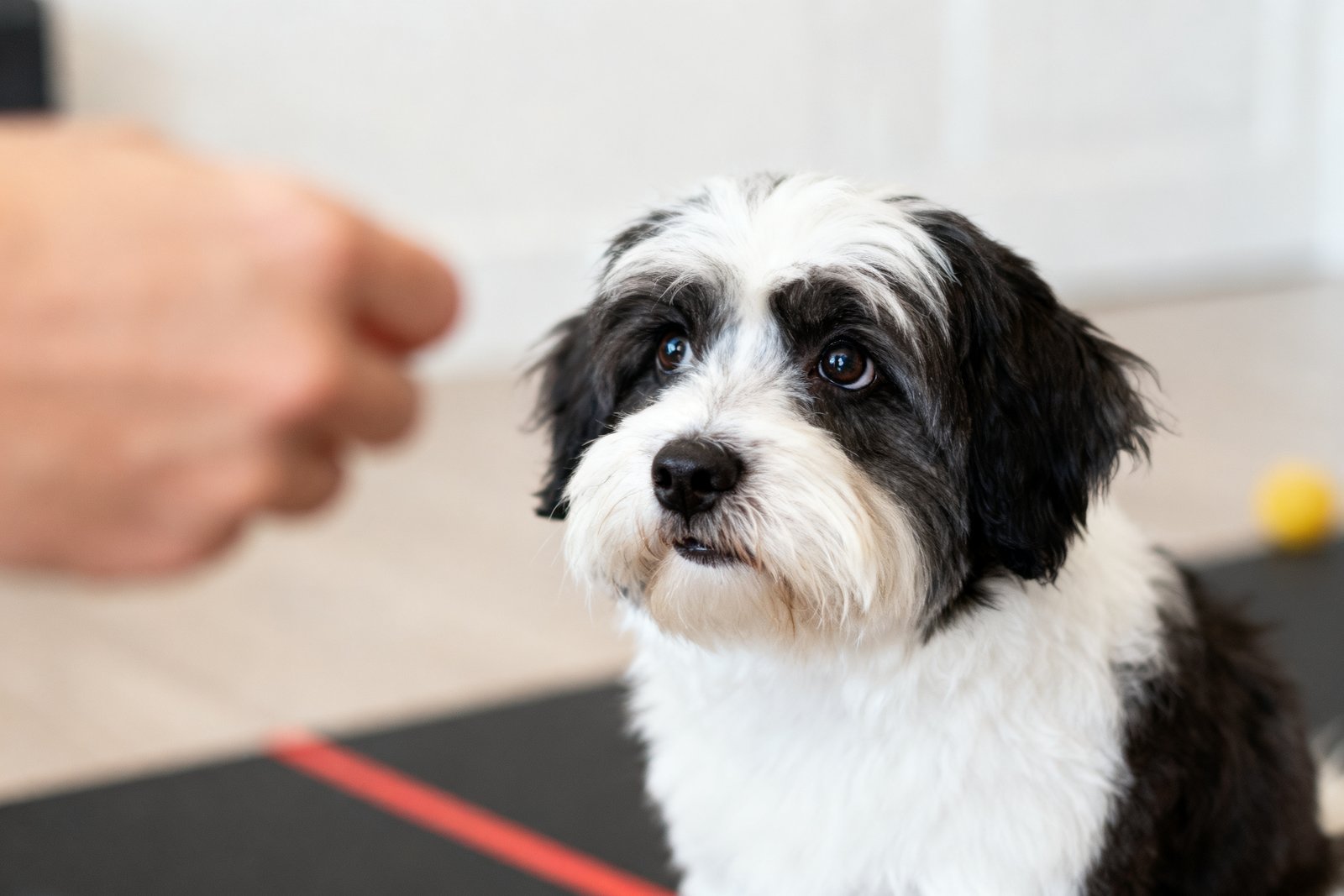
Havanese thrive on praise and attention. Harsh corrections can shut them down or make them anxious, while positive methods unlock their natural enthusiasm.
- Use small, soft treats and a cheerful voice to reward good choices right away.
- Keep sessions under 5–10 minutes, a few times daily, to avoid mental fatigue.
- Mark success with a clear word like “Yes!” or a clicker to help your dog link the behavior to the reward.
Be patient and upbeat. If your Havanese looks confused, take a step back to a simpler version of the behavior, then build up again.

2. Nail the Basics Early: Sit, Down, Come, and Stay
Reliable basics make daily life smoother and safer. Teach one skill at a time, and practice in low-distraction spaces before heading outdoors.
- Sit: Lure your dog’s nose up and back with a treat. The moment their bottom touches the floor, mark and reward.
- Down: From Sit, slowly lower a treat to the floor between their paws. Reward when elbows touch down.
- Come: Start on a light leash indoors. Say “Come!” in a happy tone, back up a few steps, and reward generously when they reach you.
- Stay: Ask for Sit, then “Stay,” take one step back, return, and reward. Build duration and distance gradually.
Practice a little every day in different rooms, then the yard, then on quiet walks. Consistent, short practice beats long, occasional marathons.
3. House Training and Crate Comfort
Havanese are small, so they may need more frequent potty breaks—especially as puppies. Routine and supervision are your best friends.
- Set a schedule: First thing in the morning, after meals, after play, and before bedtime. Praise calmly the moment they go in the right spot.
- Use a crate positively: Pick a crate just big enough to stand up, turn around, and lie down. Feed meals in the crate and offer a safe chew to build good feelings.
- Watch for signals: Sniffing, circling, wandering away—these mean it’s potty time. Get there quickly.
- Manage accidents: Clean with an enzymatic cleaner to remove odor. Avoid scolding; guide them to success next time.
If potty issues persist despite consistency, speak with your veterinarian to rule out medical causes like urinary tract infections.
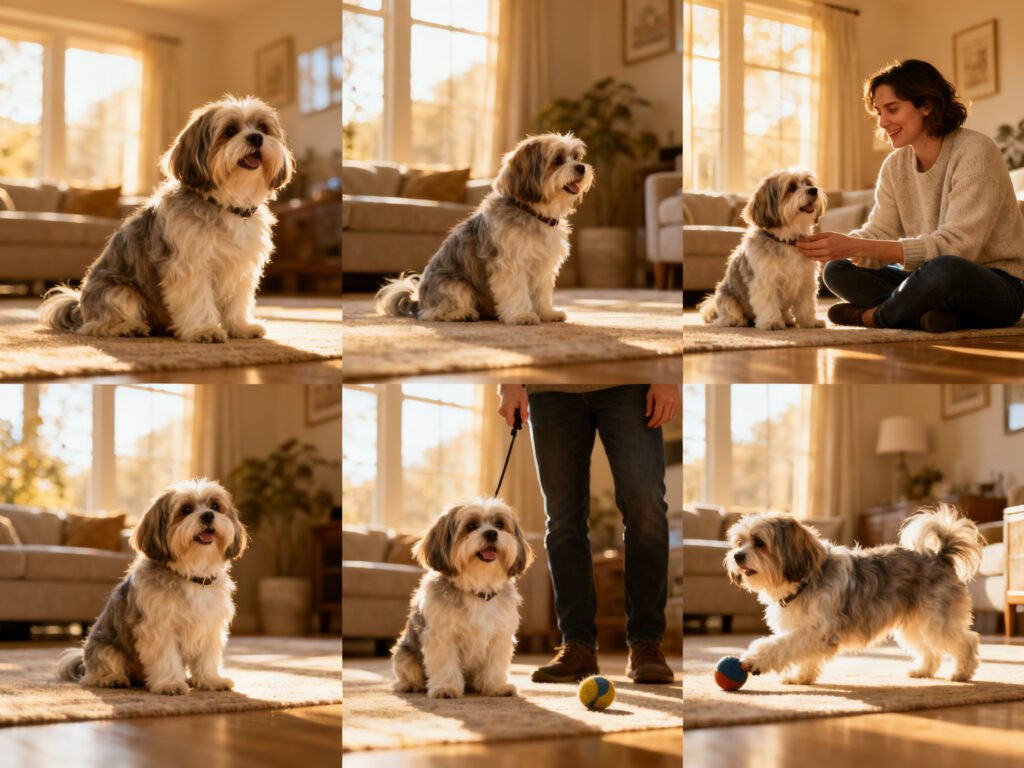
4. Socialize Early and Kindly
Havanese are friendly, but like all dogs, they need early, gentle exposure to the world to feel confident. Aim for positive experiences, not just exposure.
- Introduce new people with treats and space; let your dog approach at their pace.
- Pair new sounds (doorbells, vacuum, traffic) with treats and play to build positive associations.
- Arrange controlled playdates with calm, well-vaccinated dogs of similar size or temperament.
- Practice handling: gently touch paws, ears, and tail, rewarding calmness to prep for vet and groomer visits.
During growth periods, puppies can have “fear stages.” If your Havanese seems nervous, slow down and keep experiences short, sweet, and rewarding.
5. Channel Their Brains: Enrichment and Trick Training
Havanese are clever. Mental stimulation curbs boredom barking and mischief, and it builds confidence.
- Puzzle feeders: Rotate a few different styles to keep meals interesting and slow down eating.
- Sniff games: Hide treats around a room or in a snuffle mat and let that nose work.
- Trick time: Teach spin, paw, wave, sit pretty (with care for joints), or go to mat. Tricks sharpen focus and make training fun.
- Short agility or rally skills: Try low-impact activities like weaving around cones or stepping on a low platform for body awareness.
Mix 5 minutes of tricks with 5 minutes of calm settle practice for a well-balanced session. Always protect joints—avoid jumping for young puppies, and check with your vet if your dog has orthopedic concerns.
6. Prevent Problem Behaviors: Barking, Separation Worries, and Leash Pulling
It’s easier to prevent issues than to fix them. Many Havanese love to “talk,” stick close to their humans, and get excited on walks. A few targeted habits help a ton.
Teaching Quiet and Calm
First, meet basic needs: exercise, mental work, and rest. Then teach a clear “Quiet” cue.
- Capture quiet moments: When your dog pauses barking, mark and reward. Gradually add the cue “Quiet” as they pause.
- Use management: Close curtains to block trigger views, play white noise, or offer a chew during busy times.
- Teach “Place”: Send your dog to a mat and reward relaxation. This gives them a job when guests arrive.
Separation Confidence
Havanese bond deeply and may worry when left alone. Build independence slowly.
- Practice short departures: Step out for 30 seconds, return calmly, and extend the time bit by bit.
- Pair alone time with something great: a safe stuffed food toy or long-lasting chew.
- Avoid big goodbyes and enthusiastic returns; keep it low-key.
If your dog shows panic (howling nonstop, drooling, destructive escape attempts), consult your veterinarian and a certified trainer for a tailored plan.
Leash Manners
Small dogs can still pull. Make loose-leash walking rewarding and clear.
- Start indoors or in the yard. Reward when the leash is slack and your dog checks in with you.
- Be a tree: If the leash tightens, stop. When it loosens, move forward again.
- Use a well-fitted harness to protect their neck and improve control.
Consistency That Sticks: Routines and Real-Life Rewards
Great training isn’t just about cues—it’s about habits that pay off in daily life.
- Use real-life rewards: Open the door only when your dog sits calmly. Clip the leash on only when all four paws are on the floor.
- Keep cues consistent: Everyone in the household should use the same words and rules.
- Reinforce randomly: Once a skill is solid, vary rewards—sometimes treats, sometimes praise, sometimes a game—to keep behavior strong.
- Mind their feelings: Havanese are sensitive. If something isn’t working, lighten the mood, simplify the task, and celebrate small wins.
Remember, any sudden changes in behavior or training setbacks could have a medical cause. If that happens, check with your veterinarian to be safe.
Helpful Tools for Havanese Owners
- Flat or martingale collar + front-clip harness: Gentle control without pressure on the neck.
- Soft pea-sized treats: Easy to chew and quick to deliver.
- Clicker or marker word: Clear communication at the exact moment your dog is right.
- Crate and baby gates: Manage space to prevent accidents and rehearse calm behavior.
- Chews and puzzle toys: Keep minds busy and jaws satisfied.
Getting started with the right gear and routines is easier when you’re organized. If you’re welcoming a young dog, you might find this helpful: New Puppy Checklist.
Frequently Asked Questions
Are Havanese easy to train?
Yes, generally. They’re intelligent and people-focused, which makes them responsive to positive reinforcement. Their sensitivity means they do best with gentle guidance and clear routines rather than harsh corrections.
How much exercise does a Havanese need for good behavior?
Moderate daily exercise—two or three short walks and a few play or training sessions—is usually enough. Mental games are just as important as physical activity. If you notice restlessness or extra barking, add more sniffing and puzzle time.
When should I start training my Havanese puppy?
Right away. Keep lessons short and fun, focusing on potty training, name recognition, simple cues, and socialization. Early habits lay the foundation for a confident, well-mannered adult dog. If you have health questions about your puppy’s schedule or vaccinations, consult your veterinarian.
What if my Havanese gets anxious or regresses in training?
Go back to basics: reduce distractions, make tasks easier, and reward generously for small successes. Track any triggers or changes at home. If anxiety is persistent or severe, speak with your veterinarian and consider help from a certified positive-reinforcement trainer.
Final Thoughts
Training a Havanese is a joyful, team-building experience. Keep it kind, keep it consistent, and celebrate progress—no matter how small. With patience, play, and steady routines, your Havanese will grow into a confident companion who shines at home and out in the world.