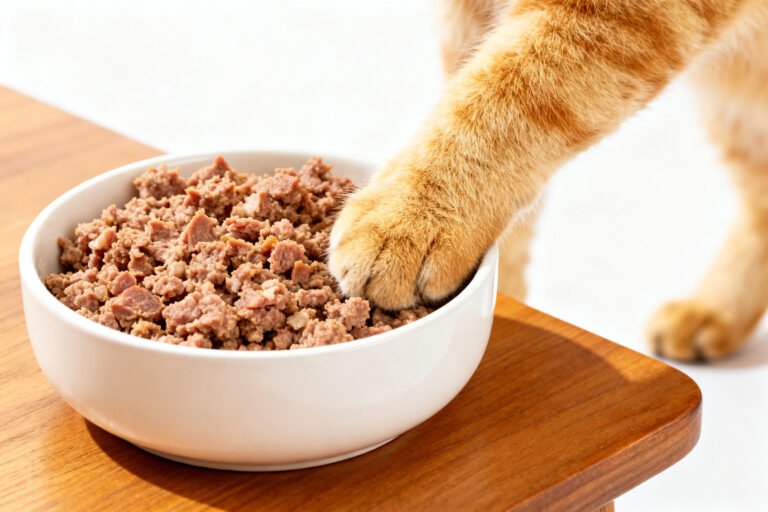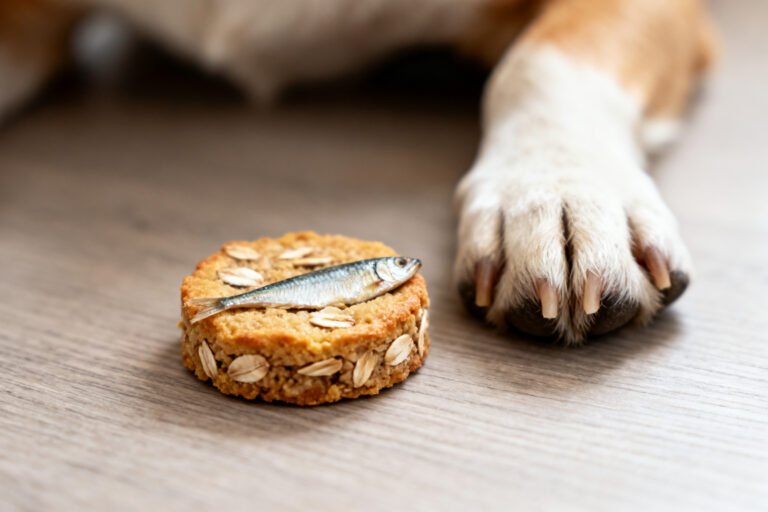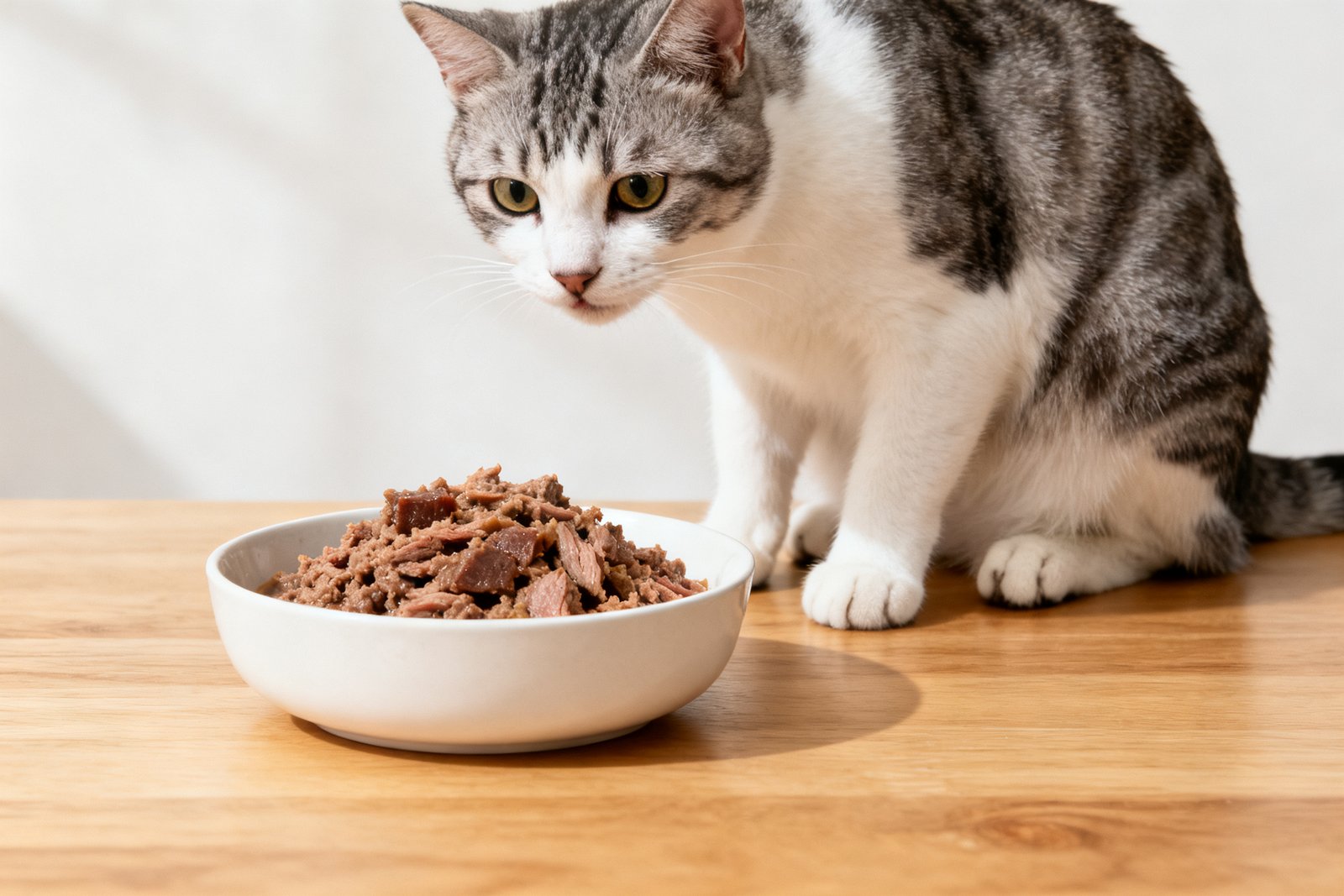
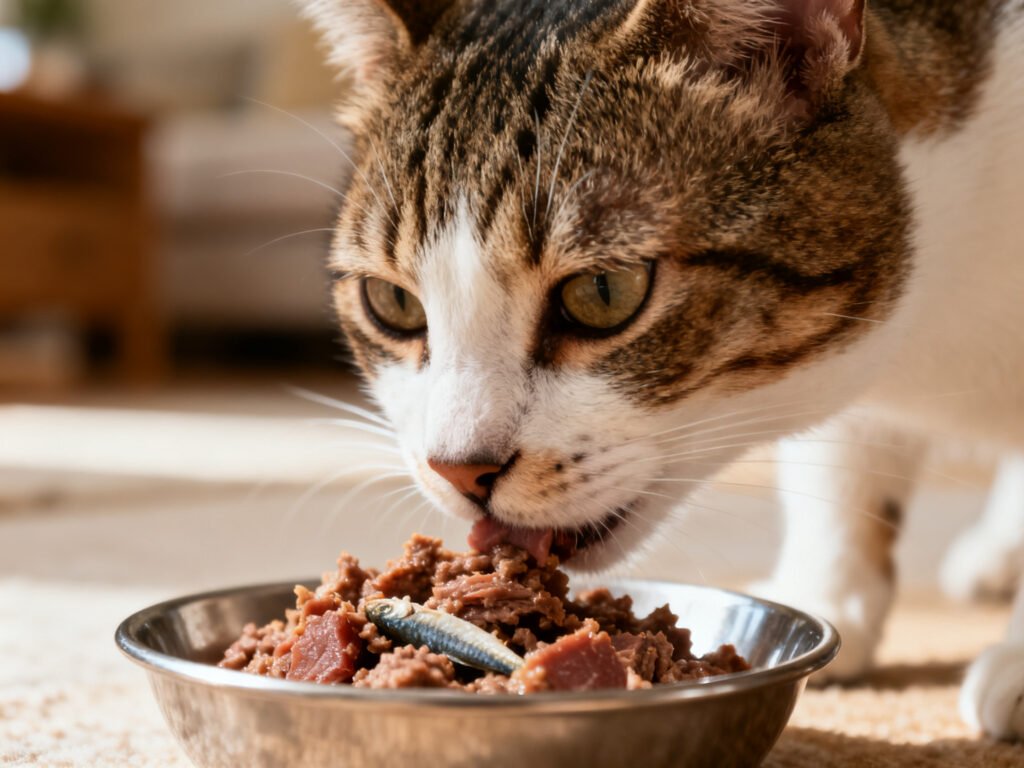
Cats thrive on diets rich in high-quality animal protein, and beef with sardines is a combo many felines find irresistible. This pairing brings together hearty red meat and omega-packed oily fish in a way that can support lean muscles, shiny coats, and satisfied appetites. Whether you’re choosing a commercial recipe or preparing a simple, vet-approved meal at home, beef and sardines can be a winning option for many cats.
Below, we’ll explore why this duo works, how to choose or make it safely, and what to watch for with sensitive tummies. You’ll also find easy serving ideas and tips to help your cat love every bite.
Why Beef and Sardines Work for Cats
Beef and sardines pair two nutrient-dense ingredients that complement a carnivore’s needs. Here’s why many cats do well with them:
- High-quality protein: Both beef and sardines deliver complete proteins that help maintain lean muscle mass and support tissue repair.
- Omega-3 fatty acids: Sardines are rich in EPA and DHA, which can support skin and coat health, joint comfort, and overall well-being.
- Natural taurine: Animal tissues, especially heart and dark muscle, provide taurine—essential for vision, heart function, and digestion.
- Micronutrient variety: Beef contributes iron, zinc, and B vitamins; sardines add vitamin D, calcium (if bones are included and properly prepared), and selenium.
- Flavor and palatability: The savory beef plus briny sardine aroma often entices picky eaters.
As always, every cat is an individual. Introduce new proteins slowly and consult your veterinarian if your cat has a history of digestive issues, kidney disease, or food allergies.
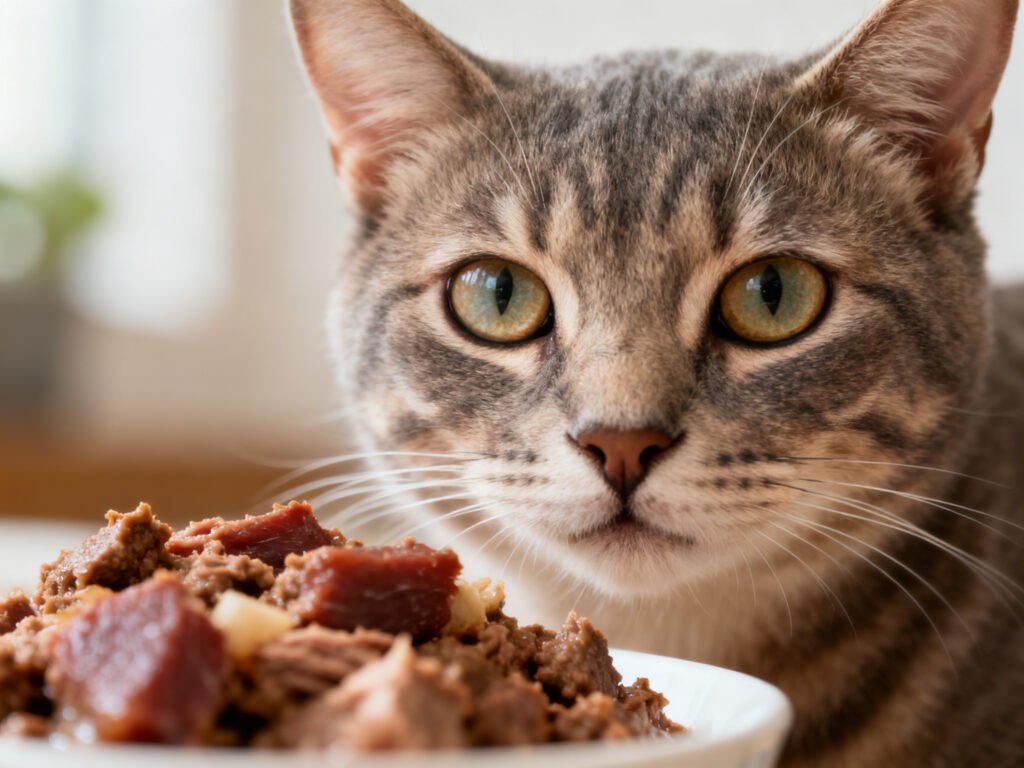
Choosing a Quality Beef and Sardine Cat Food
Not all recipes are created equal. Use this checklist when reading labels or product pages:
- Animal protein first: Look for named ingredients like “beef,” “beef heart,” and “sardines” at the top of the ingredient list.
- Complete and balanced: The package should state it meets AAFCO (or your country’s equivalent) nutritional profiles for your cat’s life stage.
- Moisture matters: Wet, raw, or gently cooked foods provide more hydration, which supports urinary health.
- Minimal fillers: Avoid recipes heavy in corn, wheat, soy, or vague terms like “meat by-products” without clear sourcing.
- Responsible sourcing: Sustainably caught sardines and clearly sourced beef are a plus for quality and safety.
- Transparent supplements: Complete diets will list added taurine, vitamins, and minerals to ensure balanced nutrition.
If you’re unsure how a product stacks up for your cat’s specific needs, ask your veterinarian for guidance—especially for kittens, seniors, or cats with medical conditions.
Simple Homemade Approach: Safety First
It’s possible to prepare a simple beef-and-sardine meal at home, but balance and safety are critical. A fully homemade diet should be formulated by a veterinary nutritionist to ensure proper levels of taurine, calcium-to-phosphorus ratio, iodine, and other nutrients. If you’re not using a professional recipe, keep beef and sardines as a topper or mix-in with a complete commercial food.
Safe Preparation Tips
- Choose the right sardines: Use canned sardines packed in water (no added salt, onions, garlic, or sauces). Drain excess liquid if your cat is sensitive to rich foods.
- Use lean beef cuts: Ground beef 90–95% lean is a good base. If feeding raw, discuss food safety and parasite risk with your vet. Otherwise, cook to a safe internal temperature and avoid added seasonings.
- Mind the bones: Canned sardine bones are typically soft and edible, but if your cat has dental issues or you’re cautious, mash the fish thoroughly.
- Start small: Introduce a teaspoon or two as a topper and watch for signs of digestive upset before increasing.
- Balance is key: Long-term homemade feeding requires a complete supplement blend or a vet-designed recipe to prevent deficiencies.
Any time you change your cat’s diet, do so gradually over 5–7 days and monitor stool quality, appetite, and energy. If you notice vomiting, diarrhea, or itching, pause and consult your veterinarian.
Portions, Frequency, and Transition Tips
Beef and sardines can be part of a regular rotation or an occasional taste treat. How much and how often depends on your cat’s size, activity, and overall diet.
- As a topper: 1–2 teaspoons of cooked lean beef and/or mashed sardines per meal can boost flavor and protein without unbalancing a complete diet.
- As part of a complete meal: If using a commercial complete-and-balanced beef-and-sardine formula, follow feeding guidelines and adjust for your cat’s body condition.
- Transition slowly: Mix a small amount into your cat’s current food and increase over a week. Watch for stool changes or gas.
- Weigh and assess: Aim for a visible waist and easily felt ribs. Adjust portions if weight trends up or down.
Remember that treats and toppers should generally make up no more than 10% of daily calories to maintain nutritional balance.
Potential Sensitivities and When to Be Cautious
Most cats enjoy beef and sardines, but a few considerations can help you avoid problems:
- Food allergies: Beef is a common allergen in cats with food sensitivities. Watch for itching, ear infections, or GI upset.
- Fat content: Some cats are sensitive to rich, fatty foods, which may trigger loose stools or pancreatitis in predisposed cats. Choose lean beef and use small portions of sardines.
- Sodium and additives: Avoid sardines with added salt or flavorings. Plain, water-packed options are best.
- Medical conditions: Cats with kidney disease, pancreatitis, or heart issues need tailored diets. Always consult your veterinarian before making changes.
- Mercury and contaminants: Sardines are low on the food chain and generally lower in mercury than larger fish. Still, vary proteins and fish sources over time for balance.
Easy Serving Ideas Your Cat Will Love
Keep it simple and cat-friendly. These ideas work as toppers or occasional enrichment treats:
- Warm a spoonful of cooked, unseasoned lean beef and mix into wet food for aroma and softness.
- Mash a small piece of water-packed sardine and swirl it through your cat’s usual meal to encourage picky eaters.
- Blend a teaspoon of beef with a teaspoon of sardine and a splash of warm water to create a savory “gravy.”
- Offer baked beef meatballs (no onion/garlic/salt) as tiny treats. Cool fully and freeze extras; thaw before serving.
For a fun enrichment day, create a tiny “treasure hunt” by hiding a few pea-sized bites around a feeding mat or puzzle feeder.
Reading Labels Like a Pro
When scanning shelves or shopping online, a few label cues can save you time and guesswork:
- Named meats up top: “Beef, sardines” should come before carbohydrate sources.
- Life stage fit: Look for “complete and balanced for adult maintenance” or “for all life stages” if your cat is grown; kittens have different needs.
- Additives to avoid: Garlic, onion, artificial colors, excessive salt, and vague “animal digest” can be red flags.
- Third-party quality checks: Brands that share batch testing, nutrient analyses, and sourcing details show welcome transparency.
Frequently Asked Questions
Can cats eat sardines every day?
Small amounts of sardines can be offered frequently, but it’s best to rotate proteins and stick to modest portions. Choose water-packed, no-salt-added sardines. If sardines are part of a complete commercial formula, follow the feeding guide. For any daily fish use, consult your veterinarian to ensure nutritional balance.
Is raw beef safe for cats?
Some cats do well on raw diets, but raw meat can carry bacteria and parasites. If you’re considering raw beef, discuss safe sourcing, handling, and a balanced recipe with your veterinarian. Many families prefer gently cooked or commercial balanced raw diets that have been tested for pathogens.
How much beef can I add to my cat’s food?
As a topper, 1–2 teaspoons per meal is a reasonable starting point for an average adult cat. Keep toppers under about 10% of daily calories to avoid unbalancing the diet. Adjust based on your cat’s weight, stool quality, and appetite, and check with your vet if you’re unsure.
What if my cat has a sensitive stomach?
Introduce one new ingredient at a time, in very small amounts, and observe for 48–72 hours. Choose lean, well-cooked beef and plain sardines in water. If you see vomiting, diarrhea, or itching, stop and consult your veterinarian to rule out allergies or other issues.
Final Thoughts
Beef and sardines can make a flavorful, protein-rich pairing that many cats adore. With smart label reading, careful portioning, and a focus on balance, you can let your cat enjoy this combo safely—whether as a complete commercial food or a simple topper. If you’re building homemade meals, partner with your veterinarian or a veterinary nutritionist for a recipe that covers all essential nutrients. And if you’re welcoming a canine friend too, our New Puppy Checklist can help you get started on the right paw.