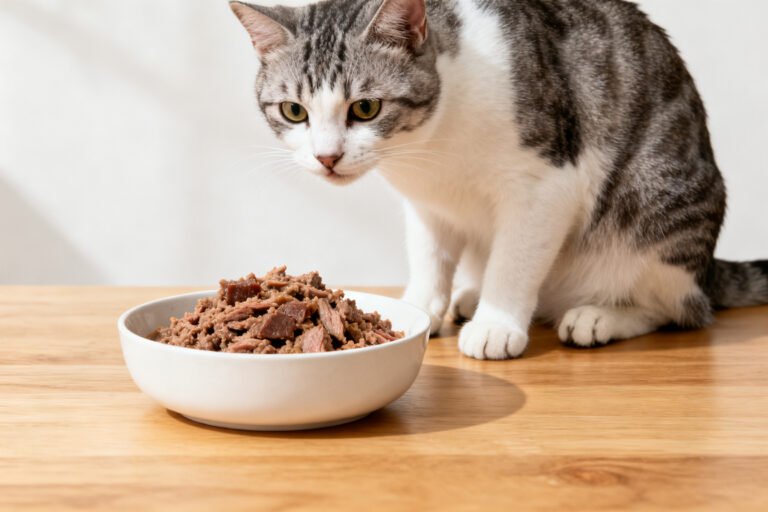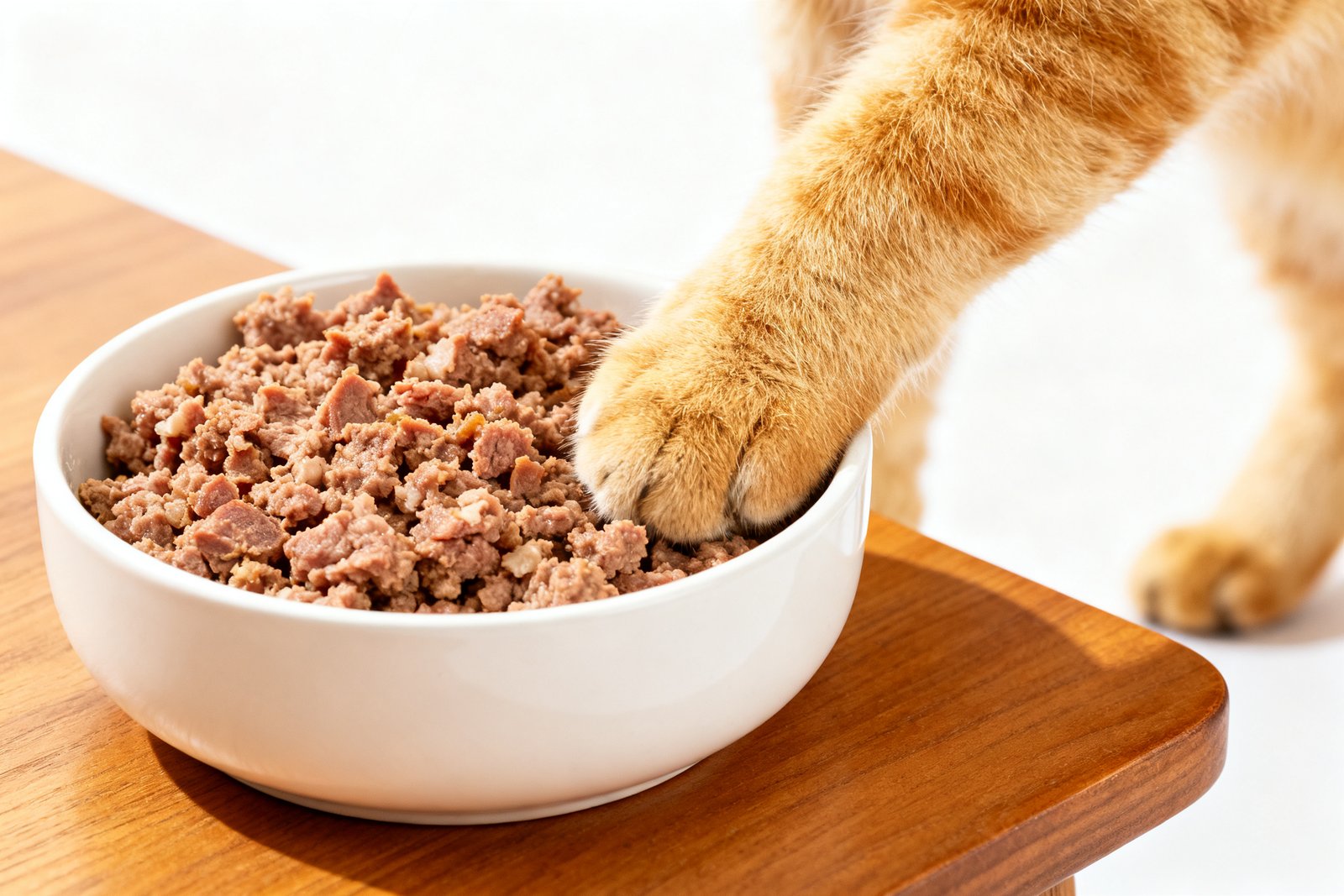
When you cook for your cat, you get to choose fresh ingredients and keep meals simple. Many cats love the taste of beef and turkey, and both provide the protein they crave. With a little planning, you can make a balanced, homemade dish that supports their energy, muscle health, and overall well-being. This guide walks you through safe preparation, smart add-ins, and a vet-friendly approach to home cooking for cats.
Why Beef And Turkey Can Work For Cats
Cats are obligate carnivores. They rely on animal protein and fat for essential nutrients like taurine, arachidonic acid, and vitamin A. Ground beef and turkey can be a good base if they’re cooked properly and paired with the right supplements.
- Beef: Rich in iron, zinc, and B vitamins. Choose lean to moderate fat (80–90% lean) to avoid excess calories and digestive upset.
- Turkey: Gentle on tummies and usually well-tolerated. Ground turkey thigh offers more fat and flavor than extra-lean breast.
- Taurine: Cooking meat reduces taurine levels, so a taurine supplement is strongly recommended in homemade cat food.
- Calcium and phosphorus: Meat alone is high in phosphorus and low in calcium. A calcium source (such as eggshell powder or a pet-safe calcium supplement) is essential for balance.
Homemade food can be great, but it’s easy to miss key nutrients. If your cat has health issues or special dietary needs, always check with your veterinarian or a board-certified veterinary nutritionist.
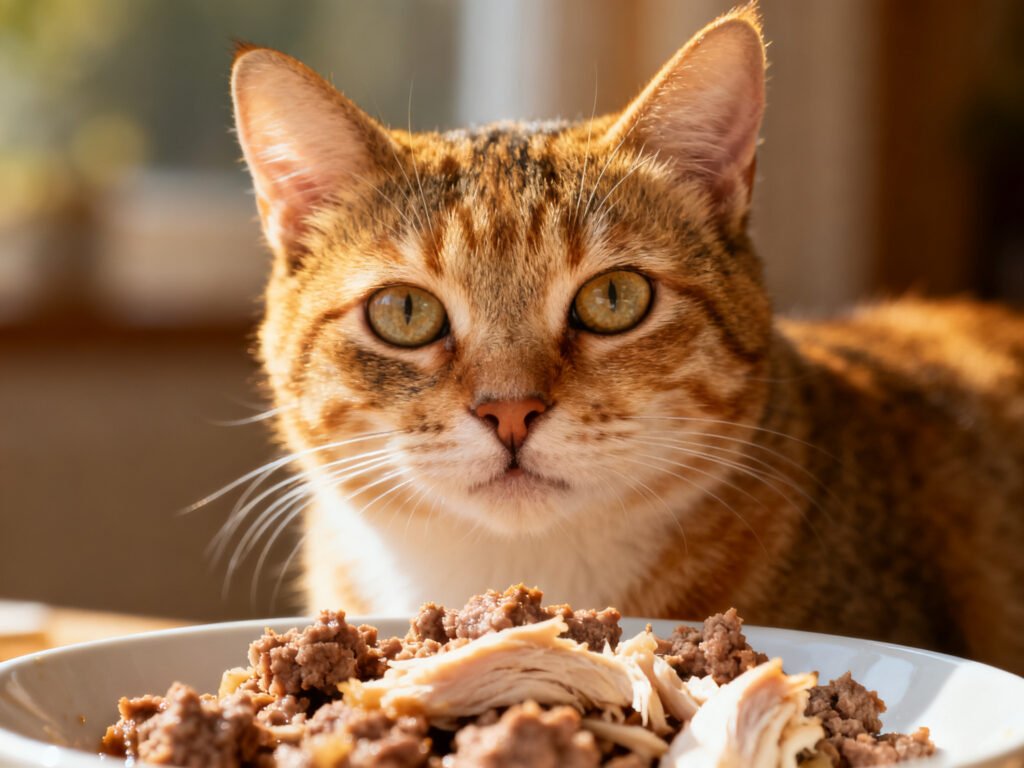
Ingredients And Tools You’ll Need
Core Ingredients
- 1 pound ground beef (85–90% lean)
- 1 pound ground turkey (preferably thigh or mixed, not ultra-lean)
- 2 large eggs (optional but helpful for protein and fat; cook them)
- 1/2 cup finely minced chicken liver or beef liver (for vitamin A and B vitamins)
- 1/2–3/4 cup water or low-sodium, onion-free broth
Essential Add-Ins For Balance
- Calcium: About 1/2 teaspoon eggshell powder per pound of meat, or follow label instructions for a pet-safe calcium supplement.
- Taurine powder: Typical guidance is 250–500 mg per day for an average adult cat, but follow your vet’s advice and product directions.
- Fish oil or salmon oil: Adds omega-3s (EPA/DHA) for skin, coat, and joint health. Use a cat-safe product and follow dosage guidance on the label.
- Vitamin E: Supports antioxidant needs when adding fish oil; follow supplement label or vet recommendations.
- Optional: A comprehensive balanced feline supplement designed for homemade diets—this can simplify the process and cover iodine, B vitamins, and trace minerals.
Tools
- Large skillet or pot
- Food thermometer (helpful for safety)
- Mixing bowl and spatula
- Measuring spoons
- Storage containers (shallow, freezer-safe)
Step-By-Step: Simple Beef And Turkey Cat Food
- Cook the meats separately. In a skillet over medium heat, lightly brown the ground turkey and drain excess fat if very oily. Repeat with the ground beef. Avoid seasoning—no salt, onion, or garlic.
- Add liver gently. Finely mince the liver and stir it into the warm meat for 1–2 minutes to cook through. Liver is nutrient-dense; keep amounts modest to avoid vitamin A excess.
- Cook the eggs. Scramble or hard-boil the eggs. Chop or crumble them and add to the meat mixture.
- Add moisture. Stir in water or safe broth to create a soft, spoonable texture. Cats often prefer moist food, and hydration supports urinary health.
- Cool to warm. Let the mixture cool until it’s just warm—not hot. This helps protect heat-sensitive supplements.
- Mix in supplements. Add calcium, taurine, fish oil, and vitamin E (or your chosen feline supplement) according to directions. Mix thoroughly to distribute evenly.
- Portion and store. Divide into daily servings. Refrigerate for up to 48–72 hours. Freeze extra portions for up to 2–3 months. Thaw in the refrigerator, not on the counter.
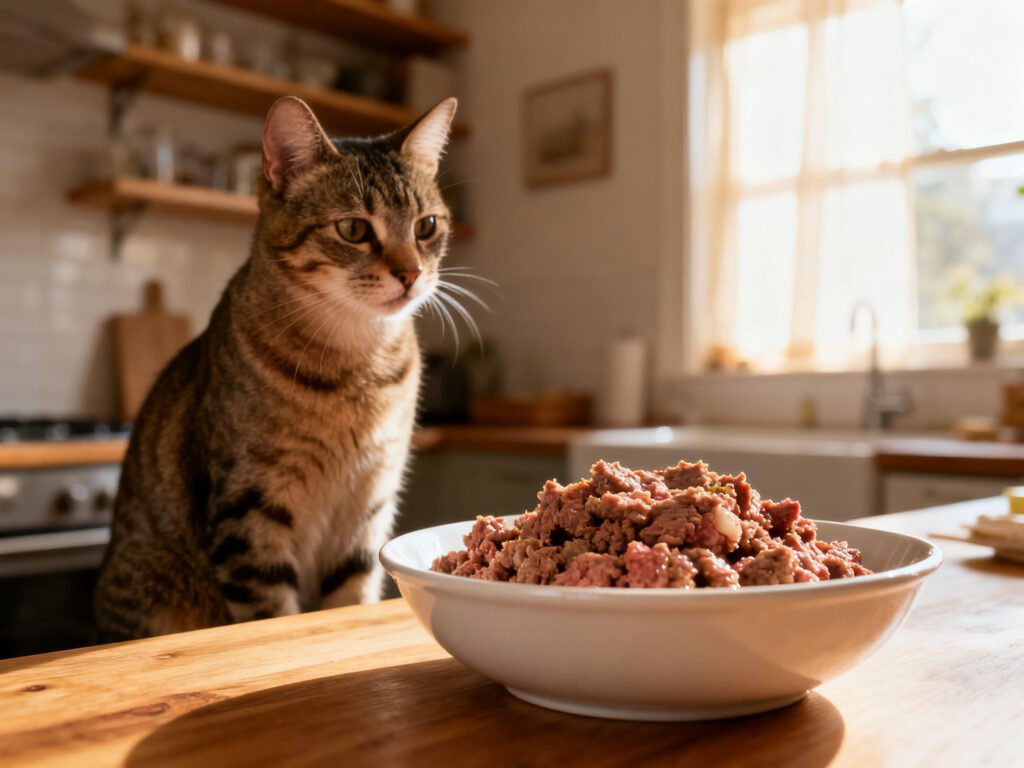
Serve at room temperature or slightly warmed. Always discard leftovers from your cat’s bowl after 30–60 minutes to keep meals safe.
How To Keep It Balanced And Safe
The biggest challenge with homemade cat food is nutritional balance. Meat alone does not meet all feline requirements. These tips help you stay on track:
- Use a formulary or vet-approved recipe. Consider consulting a veterinary nutritionist or using a reputable online tool designed for feline diets.
- Don’t skip calcium. A proper calcium-to-phosphorus ratio is crucial for bone and kidney health. Eggshell powder is easy to make or buy; 1/2 teaspoon per pound of cooked meat is a common guideline, but confirm with your vet.
- Prioritize taurine. Cats can’t make enough on their own. Dark meats help, but supplementation provides a safety net.
- Avoid toxic ingredients. No onion, garlic, chives, leeks, or heavily salted/seasoned broth. Keep spices and herbs out.
- Watch fat levels. Too much fat may cause pancreatitis or digestive upset in sensitive cats. Aim for balanced, moderate fat.
- Practice kitchen hygiene. Wash hands, utensils, and surfaces. Cook meat to safe temperatures (165°F/74°C for poultry; 160°F/71°C for beef).
If your cat has kidney disease, diabetes, food allergies, or other health conditions, ask your veterinarian before making dietary changes. They can tailor protein, phosphorus, and fat to your cat’s needs.
Portions, Transitions, And Feeding Tips
Every cat is different. Age, activity, body condition, and health all affect how much they need.
- General starting point: Many adult cats eat around 20–30 calories per pound of body weight per day. Homemade recipes vary in calorie density, so monitor body weight and adjust.
- Transition slowly: Mix 25% new food with 75% old food for a few days, then go to 50/50, then 75/25, then 100% new over 7–10 days. This helps prevent tummy upset and allows your cat to adapt to new flavors.
- Texture matters: Finely crumbled, moist mixtures are often preferred. Add a bit more water if your cat likes a soft pate.
- Storage and rotation: Keep portions small in the fridge and rotate frozen batches to maintain freshness.
Weigh your cat weekly at home if possible. If weight changes quickly or appetite drops, contact your veterinarian.
Simple Variations And Add-Ins
Once your cat is doing well on the base recipe, you can try small tweaks while keeping the nutrient balance in mind.
- Protein swaps: Substitute part of the turkey with chicken thigh, or part of the beef with lean pork. Introduce new proteins slowly to watch for sensitivities.
- Moisture boosters: Extra water or broth supports hydration. Some cats also enjoy a small spoon of plain, unsalted pumpkin for added fiber if stools are loose, but use sparingly.
- Omega-3s: Rotate fish oil with krill oil or offer a tiny portion of cooked, boneless salmon on occasion. Avoid feeding fish as the sole protein long-term.
Keep treats and extras to less than 10% of daily calories to avoid upsetting balance. If you prefer a fully guided approach, a veterinarian can recommend a complete feline supplement that simplifies the process.
Signs Your Cat Is Thriving (And When To Reassess)
Healthy homemade feeding should show up in your cat’s coat, energy, and litter box. Look for these signs:
- Good appetite and steady weight: No dramatic gains or losses.
- Shiny coat and normal shedding: Dull fur may signal nutrient gaps.
- Comfortable digestion: Formed stools without straining or diarrhea, and minimal vomiting.
- Bright eyes and good activity: Playfulness and curiosity are good indicators of well-being.
Call your vet if you notice lethargy, changes in thirst or urination, hair loss, persistent digestive issues, or weight change despite stable portions. Regular checkups, including bloodwork when appropriate, are a smart habit for cats on homemade diets.
Frequently Asked Questions
Can I feed this beef and turkey recipe every day?
You can feed a balanced homemade recipe daily if it includes the right supplements and meets your cat’s nutrient needs. Many pet parents rotate between a few balanced recipes for variety. For long-term feeding, ask your veterinarian to review the formula and your cat’s health markers.
Do I have to add supplements if I’m using fresh meat?
Yes. Meat alone does not supply everything cats need, especially calcium, taurine, iodine, vitamin E, and certain B vitamins. A targeted feline supplement and/or carefully measured additions like eggshell calcium and taurine help make the meal complete.
Is raw meat okay for cats?
Raw diets carry a higher risk of bacteria like Salmonella or E. coli, which can affect both cats and people. If you’re interested in raw feeding, discuss safe handling, sourcing, and pathogen control with your veterinarian. The recipe here is designed to be cooked for safety.
Can kittens eat this recipe?
Kittens have higher protein, fat, and mineral needs, and require carefully balanced calcium and phosphorus for bone growth. A kitten-specific, vet-reviewed recipe or complete commercial kitten food is usually best. Always consult your vet before feeding homemade diets to kittens.
Final Thoughts
A homemade ground beef and turkey cat food can be simple, tasty, and nourishing when you add the right supplements and follow safe cooking practices. Start small, transition slowly, and keep your veterinarian in the loop to ensure your cat gets everything they need. With a bit of planning and care, you can offer a wholesome, protein-rich meal that your feline friend looks forward to every day. For pet parents expanding their family, our friendly guide might help too: New Puppy Checklist.
Printable Recipe Card
Want just the essential recipe details without scrolling through the article? Get our printable recipe card with just the ingredients and instructions.