Bringing home a Rottweiler puppy is exciting, but the first year matters more than most new owners realize. Rottweilers are intelligent, powerful, and typically eager to work with their people, which is exactly why early structure makes such a difference. The goal in year one is not to create a “perfect” dog overnight. It is to build confidence, good habits, safe manners, and a communication system your dog understands before adult size and strength arrive. Source
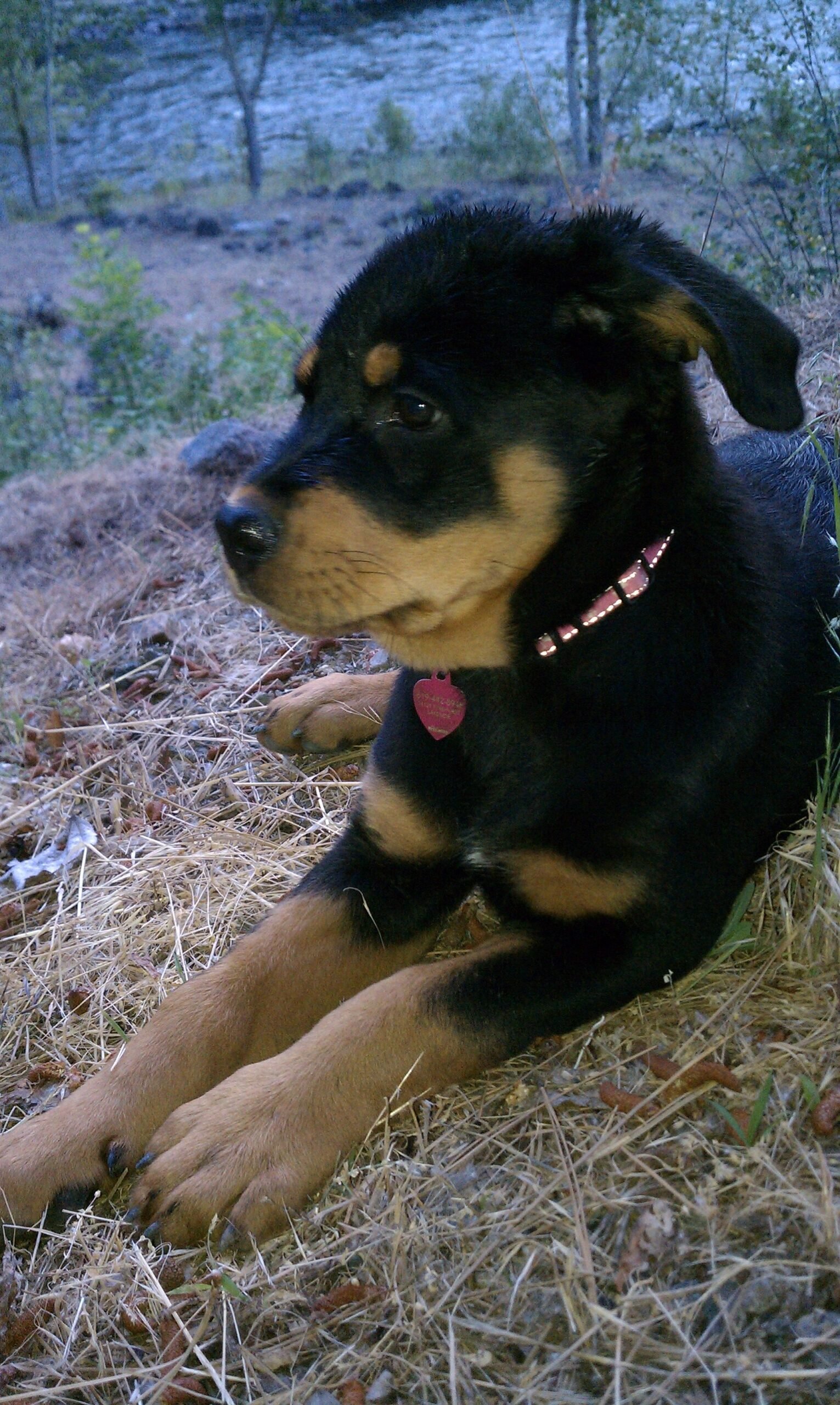
Image: “10-week-old Rottweiler puppy” via Wikimedia Commons.
1. Start socialization early, but keep it safe
For a Rottweiler, socialization is not just “meeting lots of people.” It is helping your puppy calmly experience the world before suspicion, fear, or overexcitement become habits. The best socialization happens in small, positive exposures: different ages of people, hats, walkers, surfaces, sounds, car rides, pet-friendly stores, and calm vaccinated dogs. Veterinary behavior guidance emphasizes that the sensitive socialization period is early, and that puppies should be exposed carefully without being overwhelmed. If your puppy looks worried, increase distance and let them recover instead of pushing through. Source
A useful mindset for new owners is this: don’t aim for “more” experiences, aim for “better” experiences. One calm interaction with a friendly stranger is worth more than ten chaotic greetings. AKC also notes that early positive exposure to people, places, sounds, and smells can permanently shape a puppy’s temperament for the better. Source
2. Build everything on reward-based training
Rottweilers learn fast, and that is good news if you are consistent. It is also a warning: they learn bad patterns fast too. The most reliable approach is reward-based training with food, toys, praise, and repetition. The RSPCA recommends reward-based methods, short sessions, low-distraction environments for new skills, and ending on success rather than drilling until your puppy is frustrated. Source
For a first-year Rottie, short sessions are especially effective. Five focused minutes a few times a day will usually beat one long, messy session. Teach the cue once, reward the behavior you want, and be clear. If you reward four paws on the floor, calm check-ins, and polite walking from the beginning, you are shaping the adult dog you want to live with. AKC’s Rottweiler puppy timeline specifically highlights early basic training because young Rotties are “sponges.” Source
3. Teach the “big four” first: name, recall, leash attention, and settle
Many owners focus first on tricks like shake or roll over, but your first-year priorities should be practical. A reliable response to their name, a happy recall, the ability to follow you on leash, and learning to settle around people matter much more in daily life. AKC’s breed-specific Rottweiler guidance stresses setting training goals early, including coming when called, heeling or walking nicely, and good household manners around visitors and meals. Source
Think of these as life skills. A Rottweiler that happily turns toward you, moves with you, and can relax when nothing is happening is easier to manage than one that only knows formal cues. In practice, reward eye contact, mark your puppy for choosing you over distractions, and practice recall indoors and in fenced spaces before expecting success outside.
4. Make crate training and house training calm, not punitive
Crate training can be one of the best tools in the first year if you use it correctly. Humane World for Animals recommends making the crate a safe, pleasant place, never using it as punishment, and building duration gradually in small steps. Puppies under six months should not be expected to stay crated for overly long periods because their bladder and bowel control are still developing. Source
For Rottweiler owners, this matters because a large-breed puppy can become physically powerful before they are emotionally mature. A crate helps with overnight routines, safe downtime, and preventing rehearsal of destructive habits. Pair it with a predictable potty schedule: outside after waking, after meals, after play, and before bed. AKC’s Rottweiler training guidance also emphasizes giving puppies plenty of chances to eliminate in the correct place and starting these habits immediately. Source
Image: Rottweiler puppy on grass via PxHere.
5. Start leash training before your puppy gets strong
One of the biggest mistakes new Rottweiler owners make is waiting until adolescence to work on leash manners. By then, the dog may already be large enough to pull hard. AKC recommends beginning leash work early, first getting the puppy comfortable in a collar or harness, then teaching them to follow with light guidance, praise, and encouragement. Source
Your aim is not military-style heelwork on day one. It is a puppy who learns that staying near you is rewarding. Mark and reward when the leash is loose, when your dog checks in, and when they choose your side after noticing something interesting. Done early, this prevents the “freight train” stage that large-breed owners dread.
6. Practice handling and grooming like it is part of training
Rottweilers grow into big, strong adults quickly, so cooperative care is not optional. AKC’s Rottweiler puppy timeline highlights getting puppies used to nail care early because this breed becomes powerful fast and may be strong-willed about handling if the foundation is skipped. Source
That means gently pairing treats with touching paws, looking in ears, brushing, handling the collar, checking teeth, and short nail sessions. Keep it cheerful and brief. If your puppy learns that human hands predict comfort and rewards, vet visits and home care become dramatically easier later. This is one of those quiet first-year habits that pays off for the next decade.
7. Interrupt mouthing, chasing, and guarding habits before they become adult behaviors
Rottweiler puppies can be mouthy and intense, and AKC notes that they may show herding-style behaviors such as chasing or nipping at pant legs. That does not mean your puppy is “bad”; it means you need to redirect early and consistently. Unwanted behaviors are easier to change at twelve weeks than at twelve months. Source
Instead of punishing every mistake, teach replacement behaviors. Redirect biting onto legal chew items. Trade for objects rather than grabbing them away. Reward “drop,” “out,” and calm disengagement. If your puppy freezes over food, toys, or stolen items, do not turn it into a confrontation. Work on exchanges and get a qualified trainer involved early if the behavior escalates.
8. Train the mind, but protect the growing body
Because Rottweilers are working dogs, new owners sometimes overdo physical exercise and underdo mental training. AKC points out that young Rottweilers can start learning many activities early, but heavy exercise and high-impact work should be limited while they are still growing and growth plates remain open. Source
So in the first year, think enrichment before intensity. Use food puzzles, scent games, short obedience sessions, calm field trips, beginner body awareness, and controlled exposure to new environments. You do not need miles of jogging to tire out a young Rottie. Often, a thoughtful training session and a sniffy walk produce a calmer, more satisfied puppy than hard physical exercise.
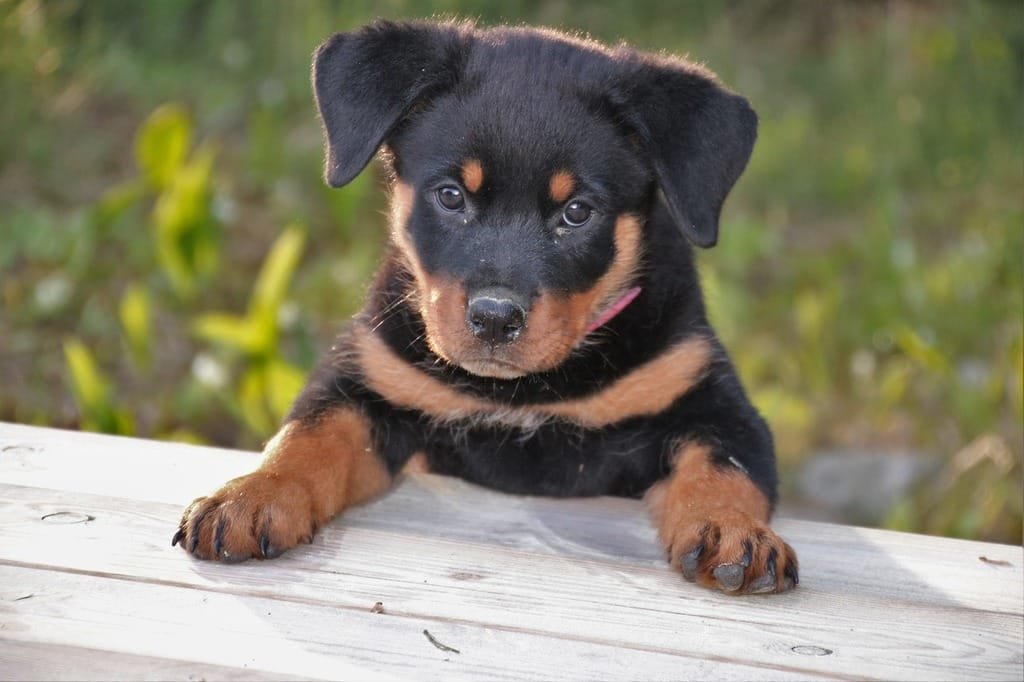
Image: Rottweiler puppy on bench via PICRYL / GetArchive.
Final thoughts for new Rottweiler owners
Your first year with a Rottweiler should feel less like “dominating a strong breed” and more like building trust, routines, and clarity. Socialize carefully, reward generously, prevent bad habits from becoming rehearsed, and teach skills before size magnifies every mistake. If you do that, you are far more likely to end up with the classic Rottweiler temperament most owners want: steady, confident, responsive, and deeply loyal. Source
Helpful links for deeper reading
If you want to expand this post into your own training plan, these are the most useful starting points: AKC Rottweiler breed profile, AKC Rottweiler puppy training timeline, AKC puppy socialization guide, Humane World crate training guide, VCA socialization and fear prevention guide, and RSPCA reward-based dog training advice. Source