
Golden Retriever puppies are affectionate, energetic, and famously eager to please—but they do not simply “grow into” being calm, easy family dogs on their own. Breed guidance from the AKC and the Golden Retriever Club of America emphasizes that Goldens need early structure, socialization, training, grooming, and smart exercise, especially during the first two years. Source Source
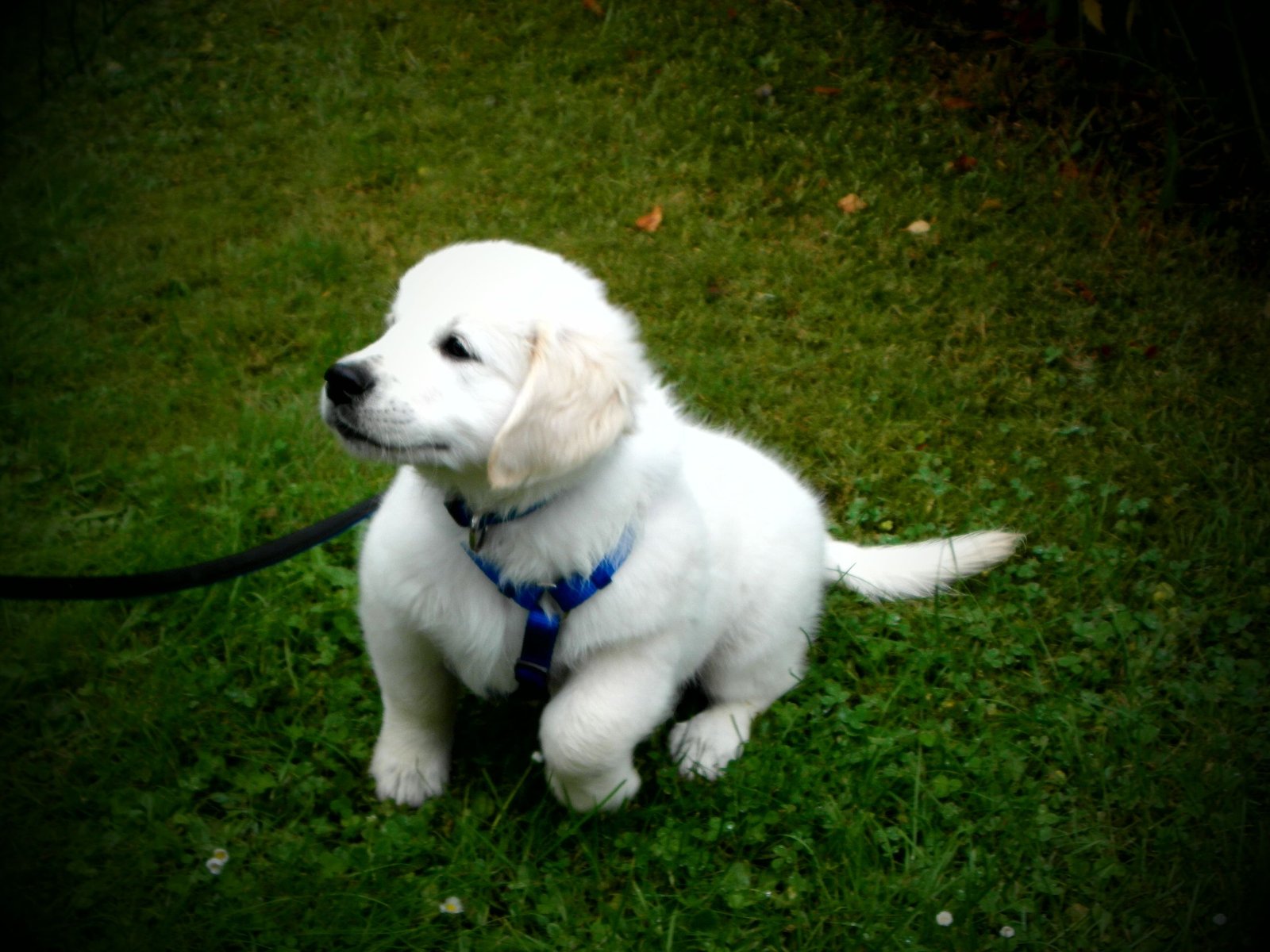
Image: “Golden Retriever Puppy.JPG” on Wikimedia Commons
1. Start socialization early—and keep it positive
For Golden Retriever puppies, early socialization is one of the most important investments you can make. AKC guidance says the first three months are a major socialization period, while the GRCA notes that roughly 2 to 4 months is a critical developmental window. During that time, puppies should be introduced gradually and positively to people, surfaces, sounds, car rides, grooming, and safe public experiences so they learn that the world is normal rather than scary. Source Source
The key word is positive. Don’t overwhelm your puppy with too much too fast. Small, successful exposures paired with treats, praise, and calm handling will do far more for long-term confidence than one big, chaotic outing. Source
2. Build a daily routine from day one
Golden puppies thrive when life becomes predictable. AKC recommends creating a schedule for feeding, potty breaks, naps, play, and bedtime because structure helps puppies feel secure and makes house training easier. Most puppies benefit from puppy food three times a day, potty breaks every two to four hours and after activity changes, and several quiet nap periods because young puppies can sleep 16 to 18 hours a day. Source
A routine also helps prevent a lot of common “bad puppy behavior” that is really just overtiredness, overexcitement, or lack of guidance. When your Golden knows when to eat, rest, play, and go out, life gets easier for both of you. Source
3. Feed like you’re raising a large-breed puppy—because you are
Golden Retrievers are large-breed dogs, and that matters nutritionally. AKC’s puppy feeding guidance notes that large-breed puppies grow more slowly, can take 15 to 24 months to reach full maturity, and generally should stay on puppy food longer than small breeds—often until around 12 to 14 months. Owners are also advised to “watch the dog, not the dish,” meaning body condition should guide portions more than whether the bowl was licked clean. Source
That matters because excess weight puts unnecessary stress on growing joints. A lean, steadily growing Golden puppy is usually on a better track than one that is overfed in the name of “healthy growth.” Source
4. Exercise smart, not hard
Golden Retriever puppies need regular exercise, and GRCA says that need is especially pronounced during puppyhood. But there is a difference between healthy activity and too much impact. AKC advises that puppies benefit from play, mental stimulation, and short walks, while sustained strenuous exercise such as long runs and repetitive jumping should wait until they are more mature. For larger breeds, jogging on leash is generally delayed until around 12 to 18 months because growing bones, ligaments, and growth plates need time to develop properly. Source Source Source
Short play sessions, sniffy walks, training games, tug, and supervised free movement are usually better choices than trying to “wear out” a Golden puppy with forced endurance. Several short sessions are safer and more effective than one exhausting one. Source Source
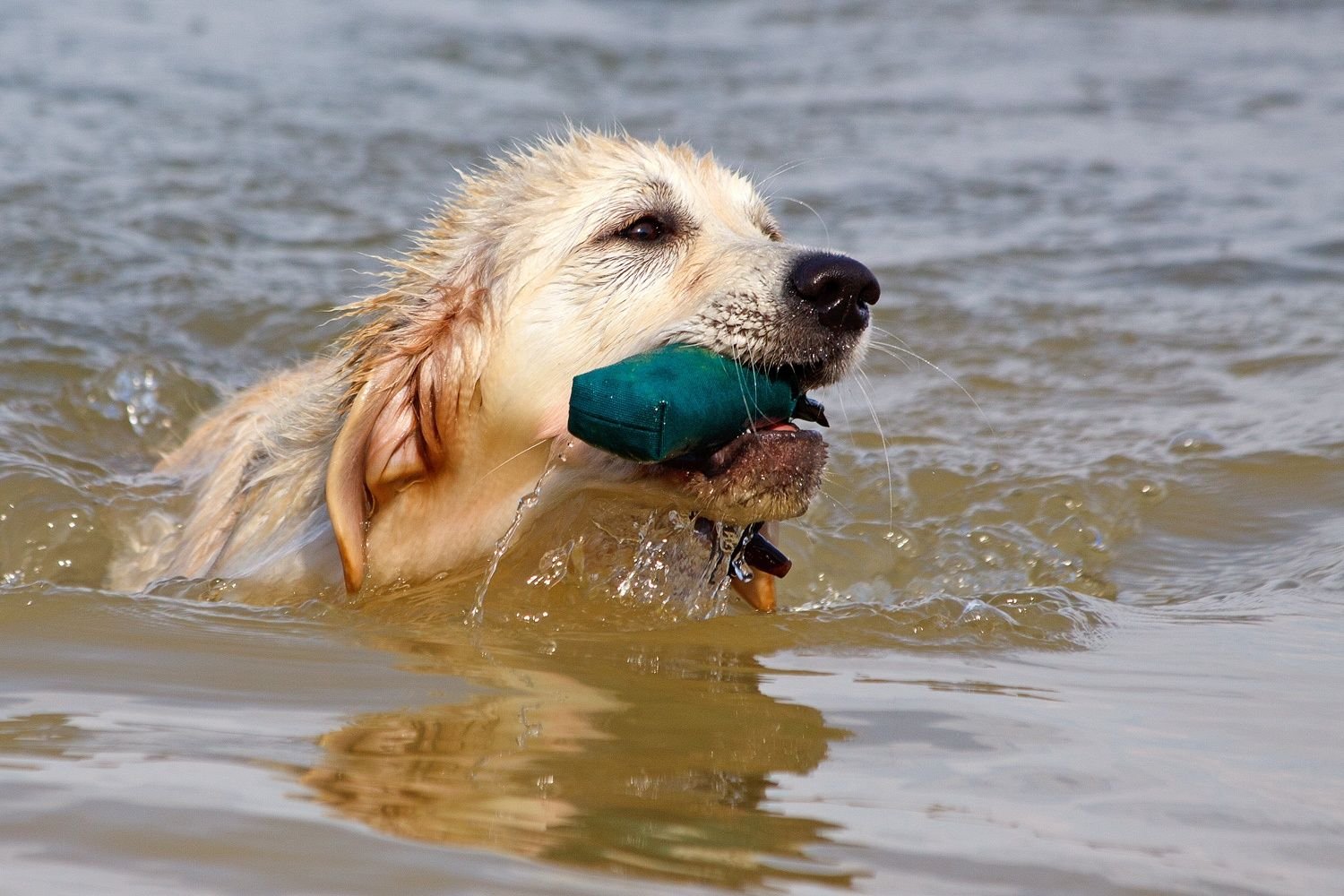
Image: “Golden Retriever Carlos beim ersten Dummy-Training” on Wikimedia Commons
5. Begin training immediately, especially for mouthiness and manners
Golden Retriever puppies are eager to please, but that does not mean they train themselves. AKC’s Golden Retriever puppy timeline says training should begin right away with basic obedience and group puppy classes, and it specifically notes that young Goldens have short attention spans and a lot of mouthiness, especially during teething. Early training helps build trust, communication, and self-control before adolescence arrives. Source
This is the stage to teach life skills like coming when called, settling in a crate, walking on leash, trading toys, and cues such as leave it, drop it, and go fetch. Goldens were bred to carry things in their mouths, so channeling that instinct is much more effective than simply scolding it. Source
6. Get your puppy comfortable with grooming and handling early
Golden Retrievers are beautiful dogs, but that coat comes with responsibility. AKC grooming advice recommends getting dogs used to being handled on the head, ears, mouth, feet, and body early, then building a regular routine for brushing, nail care, teeth, ears, and bathing. The Golden puppy timeline also recommends weekly nail trimming, brushing several times a week, and handling all body parts early so grooming becomes normal rather than a battle later. Source Source
Goldens also have coated, floppy ears that can be prone to problems, so regular ear checks matter. And because the breed sheds heavily at times, starting brushing habits early will pay off for the rest of your dog’s life. Source
7. Partner with your vet on vaccines and preventive care
There is no one-size-fits-all vaccination plan for every puppy. AKC’s puppy shot guide stresses that vaccine schedules should be customized with your veterinarian based on your puppy’s lifestyle, location, and risk factors. In practical terms, that means new Golden owners should use early vet visits not just for vaccines, but also for parasite prevention, growth monitoring, and answers about safe socialization timing, diet, and exercise. Source
Preventive care also overlaps with everyday handling. Grooming articles and breed guidance both point out that routine checks of ears, skin, feet, teeth, and coat help owners spot problems early, before small issues become expensive ones. Source Source
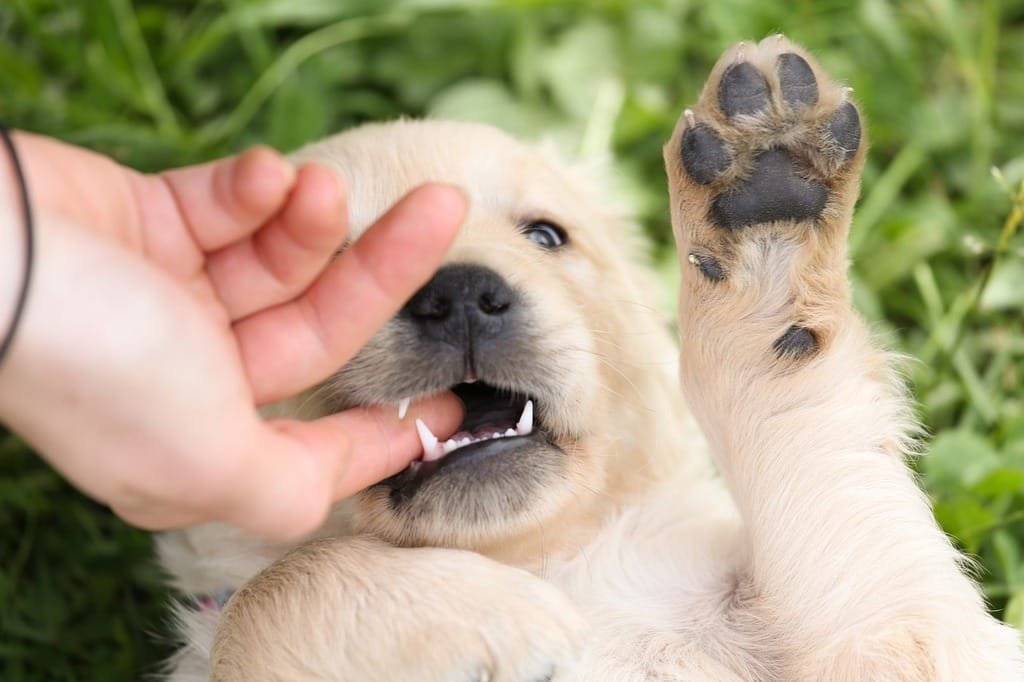
Image: “A person is petting a puppy’s paw” on PICRYL
Final thoughts on raising a Golden Retriever
The best Golden Retriever owners think beyond “cute puppy” mode and start building adult-dog habits early. Socialization, routine, large-breed nutrition, safe exercise, early training, grooming tolerance, and vet-guided preventive care are what turn a busy Golden puppy into the steady, joyful companion the breed is famous for. Source Source
Helpful links for new owners
If you want to go deeper, these are excellent starting points: