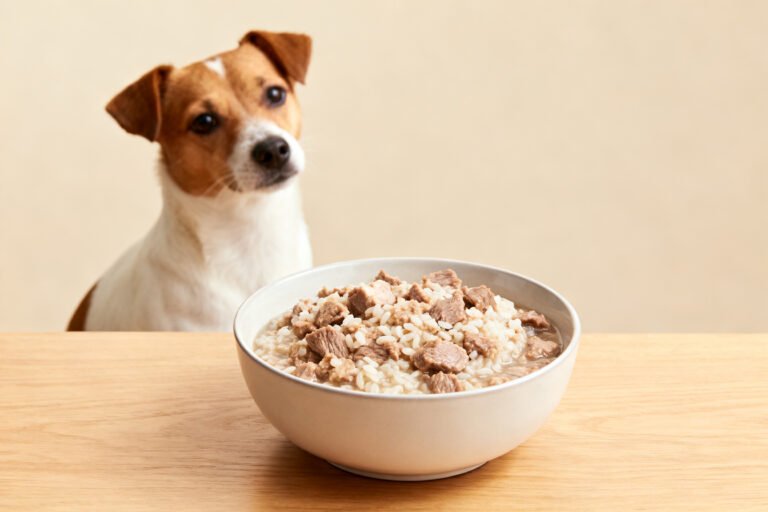
Duck can be a gentle, tasty protein choice for dogs with food sensitivities. Many pups who react to common proteins like chicken or beef tolerate duck well, and it’s naturally rich in amino acids, iron, and B vitamins. If you love the convenience of your air fryer, you can use it to prepare simple, wholesome duck-based meals or toppers that support your dog’s skin, coat, and tummy. With a few allergy-aware swaps and safe cooking steps, you can make fresh, balanced food your dog looks forward to.
Why Choose Duck for Dogs With Allergies?
Food allergies in dogs often involve proteins they’ve eaten frequently, such as chicken, beef, or dairy. Duck is considered a novel protein for many dogs, meaning they haven’t been exposed to it before, which may lower the risk of a reaction. For sensitive dogs, substituting duck can help reduce itchy skin, ear issues, and digestive upset triggered by other proteins.
Duck is also nutrient-dense. It contains high-quality protein for muscle maintenance, healthy fats that support skin and coat, and minerals like iron, zinc, and selenium. If your dog is dealing with chronic itching or digestive woes, talk to your veterinarian about trying duck as part of an elimination diet or long-term feeding plan.

Allergy-Safe Ingredients to Pair With Duck
When you’re feeding a dog with allergies, keep recipes simple and introduce new foods one at a time. Focus on ingredients that are typically gentle on the gut and skin.
- Carbohydrates: White rice, sweet potato, pumpkin, or oats (if tolerated). These are usually easy on the stomach and provide steady energy.
- Vegetables: Green beans, zucchini, carrots, peas, or spinach. Lightly cooked veggies are easier to digest and keep nutrients intact.
- Fats: A small amount of duck fat, olive oil, or fish oil for omega-3s. Healthy fats support skin barrier function.
- Binders (for patties): Mashed sweet potato or pumpkin. Avoid wheat if your dog is sensitive to grains.
- Calcium source: Finely ground eggshell powder or a vet-approved calcium supplement. Home-prepared meals need added calcium to balance phosphorus.
Skip common triggers like chicken broth, dairy, and highly seasoned marinades. Always confirm each ingredient is safe for dogs and tolerated by your individual pet.
Air Fryer Basics for Dog Food
Air fryers cook quickly with circulating hot air, making it easy to achieve safe internal temperatures without heavy oil. For dog food, the goal is even cooking, reduced fat when helpful, and minimal seasoning.
- Use a low-to-moderate temperature (320–360°F / 160–182°C) to cook through without burning.
- Line the basket with parchment or use a rack to reduce sticking and excess fat.
- Do not add salt, onion, garlic, chives, or rich sauces—these can be harmful to dogs.
- Cook to safe internal temps: Poultry like duck should reach 165°F (74°C).
- Cool food fully before serving to prevent mouth burns and to let fats solidify slightly.
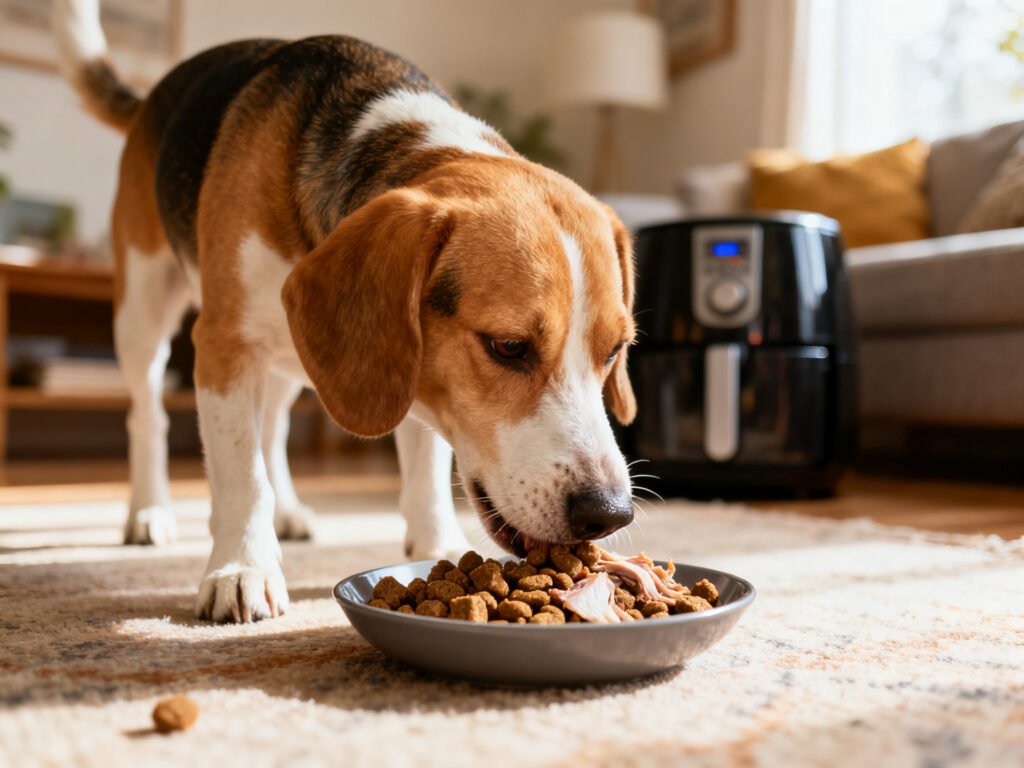
Recipe 1: Simple Air Fryer Duck and Sweet Potato Patties
This is a straightforward, allergy-friendly recipe that works as a complete meal when paired with a calcium source and a daily multivitamin/mineral supplement recommended by your veterinarian.
Ingredients
- 1 lb (450 g) ground duck
- 1 cup cooked, mashed sweet potato (no seasoning)
- 1/2 cup finely chopped green beans or carrots (lightly steamed)
- 1 tablespoon ground flaxseed or 1 teaspoon fish oil (optional for omega-3s)
- Calcium source per vet guidance (e.g., ~1/2 teaspoon very finely ground eggshell per pound of food, or a canine calcium supplement)
Steps
- Preheat air fryer to 350°F (177°C).
- In a bowl, combine ground duck, mashed sweet potato, vegetables, and optional omega-3s. Mix gently until uniform.
- Form into palm-sized patties about 1/2 inch thick for even cooking.
- Place patties in a single layer on parchment or a lightly oiled rack.
- Air fry for 10–14 minutes, flipping halfway, until the center reaches 165°F (74°C) and juices run clear.
- Cool completely. Add the appropriate calcium to each serving, or mix into the batch if serving within 24 hours and storing properly.
Serving Tips
- Start with a small portion the first day to watch for any adverse reactions.
- For balance, consider a vet-approved canine multivitamin and discuss iodine (kelp), vitamin D, and trace minerals with your veterinarian.
- Store cooked patties in an airtight container in the fridge for up to 3 days, or freeze for up to 2 months.
Recipe 2: Air Fryer Duck Breast Bites With Pumpkin
Great as a topper, training treat, or part of a balanced bowl. Pumpkin is soothing for many sensitive stomachs.
Ingredients
- 1–2 duck breasts, skin-on or skinless (trim excess fat if your dog needs lower fat)
- 1 cup plain canned pumpkin (not pie filling)
- 1/4 cup finely chopped zucchini or peas (optional)
Steps
- Preheat air fryer to 360°F (182°C).
- Pat duck breasts dry and slice into 1-inch cubes.
- Air fry in a single layer for 8–12 minutes, shaking the basket once, until pieces reach 165°F (74°C).
- Cool thoroughly. Toss with pumpkin and optional veggies before serving.
Serving Tips
- Use a small amount of duck bites as a high-value reward for training.
- If serving as a meal component, pair with a mild carb like rice and add a calcium source to the overall bowl.
Portion Sizes and Balancing the Diet
Homemade feeding works best with guidance. Calorie needs vary by weight, age, breed, and activity level. As a rough starting point for an average adult dog, feed about 2–3% of body weight per day in food, then adjust based on body condition and your veterinarian’s advice.
- Small dogs (10–20 lb): about 1/2 to 1 cup of food per day, split into 2 meals.
- Medium dogs (20–50 lb): about 1 to 3 cups per day, split into 2 meals.
- Large dogs (50–90 lb): about 3 to 5 cups per day, split into 2 meals.
To prevent nutrient gaps, include a canine multivitamin/mineral and a proper calcium source when meals are home-prepared. Some dogs also benefit from added omega-3s (fish oil) to support skin and joint health. Always consult your veterinarian or a board-certified veterinary nutritionist before long-term homemade feeding, especially for puppies, pregnant dogs, or dogs with chronic illnesses.
Transitioning to Duck Safely
When switching proteins, go slowly. This helps your dog’s digestive system adjust and gives you time to watch for any reactions.
- Days 1–2: 25% new duck recipe, 75% current food.
- Days 3–4: 50% new, 50% current.
- Days 5–6: 75% new, 25% current.
- Day 7+: 100% new if stools are formed and your dog feels well.
If you see itching, ear redness, vomiting, diarrhea, or lethargy, pause and talk to your veterinarian. Keep a simple ingredient list and avoid treats with mystery proteins during the transition.
Storage, Food Safety, and Handling Duck
Duck has a higher fat content than some meats, which can be tasty but rich for sensitive stomachs. Trim excess skin if needed and cook thoroughly.
- Refrigerate cooked duck within 2 hours and use within 3 days.
- Freeze portions in labeled bags for up to 2 months; thaw in the fridge.
- Wash hands, cutting boards, and utensils after handling raw poultry.
- Introduce fats gradually if your dog is prone to pancreatitis; consult your vet for a tailored fat level.
When to See the Vet
Allergies can mimic other issues like infections or parasites. If your dog has chronic itching, recurrent ear infections, hair loss, or persistent stomach problems, schedule a veterinary visit. Your vet may suggest an elimination diet, targeted testing, or medication to calm flares while you fine-tune the diet.
For puppies, pregnant dogs, or dogs with conditions like kidney disease or pancreatitis, ask your veterinarian for a customized recipe. Balanced nutrition is critical during growth and for managing medical needs. If you’re welcoming a new family member soon, our New Puppy Checklist can help you get started on the right paw.
Frequently Asked Questions
Is duck better than chicken for dogs with allergies?
Duck isn’t “better” for every dog, but it’s often a novel protein that some sensitive dogs tolerate more easily than chicken or beef. If your dog reacts to common proteins, duck can be a useful option to try under your vet’s guidance.
Can I use duck skin and fat in my dog’s food?
Yes, in moderation. Fat adds flavor and calories, but too much can upset the stomach or trigger pancreatitis in at-risk dogs. Trim excess skin and introduce fat gradually, especially for dogs with a history of digestive issues.
Do air-fried duck bites count as a complete meal?
Not on their own. Protein-only recipes are missing key nutrients like calcium, certain vitamins, and trace minerals. To serve as a complete diet, add a calcium source and a vet-recommended multivitamin/mineral, and include balanced carbs and vegetables.
How do I know if my dog is allergic to duck?
True duck allergies are uncommon but possible. Signs include itching, ear problems, and GI upset. If symptoms worsen after introducing duck, stop feeding it and consult your veterinarian to adjust the plan.
Final Thoughts
With simple, clean ingredients and your air fryer, duck-based meals can be a smart, tasty option for dogs with allergies. Keep recipes minimal, cook to safe temperatures, and balance the diet with the right supplements. Most importantly, partner with your veterinarian to tailor portions and ingredients to your dog’s unique needs so they can feel comfortable, energetic, and eager for dinner time.
Printable Recipe Card
Want just the essential recipe details without scrolling through the article? Get our printable recipe card with just the ingredients and instructions.