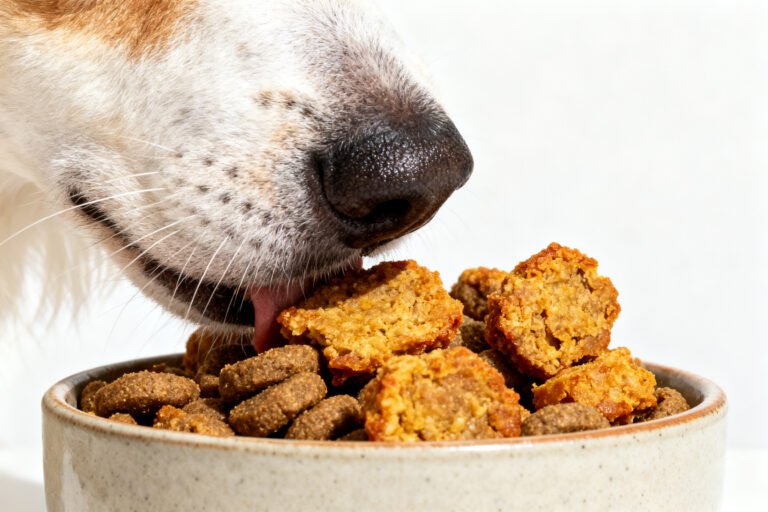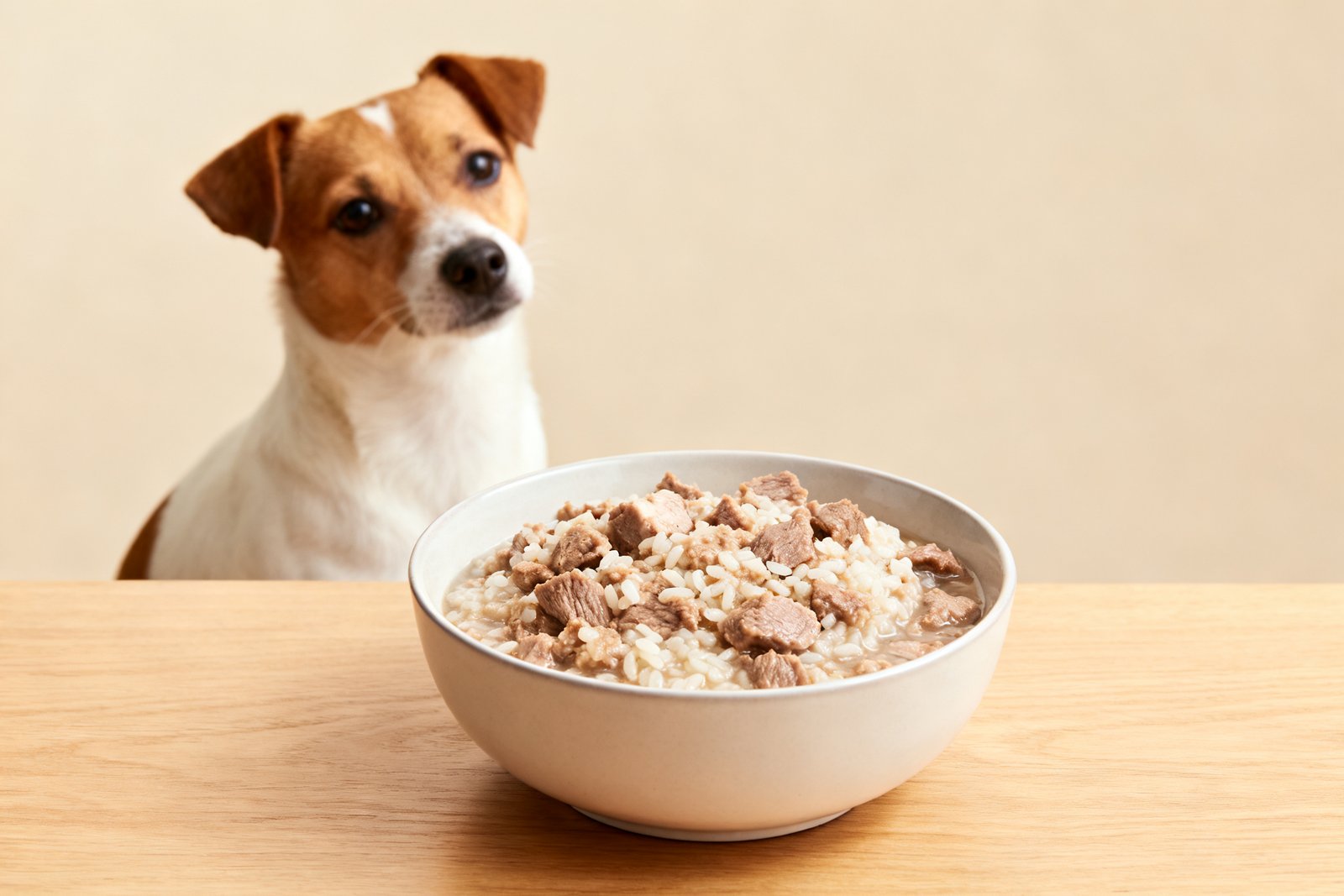
When your dog’s tummy seems unsettled, choosing the right food can make all the difference. Many pet parents find that lamb and rice formulas are a calm, comforting option for sensitive stomachs. This gentle pairing keeps ingredients simple while still delivering balanced nutrition and great taste. If your dog is dealing with loose stools, gas, or post-meal discomfort, a well-made lamb and rice recipe may help bring back happy mealtimes.
Why Lamb and Rice Is Often Easier on the Stomach
Lamb and rice is a classic, mild combination that prioritizes digestibility. Here’s why it’s often recommended for sensitive dogs:
- Single primary protein source: Lamb provides a focused protein option. For dogs reacting to chicken or beef, switching to lamb can reduce digestive flare-ups.
- Gentle carbohydrate: White rice is easy to digest and helps firm up stools. It’s a simple energy source that’s kind to the gut.
- Lower ingredient complexity: Many lamb and rice formulas avoid common triggers like corn, soy, and artificial additives, which can irritate sensitive stomachs.
- Palatable and aromatic: Lamb tends to be tasty even for picky eaters, making transitions smoother.
Every dog is different. If your dog has ongoing vomiting, diarrhea, weight loss, or lethargy, consult your veterinarian before changing diets.

Signs Your Dog May Benefit From a Lamb and Rice Diet
Not every upset tummy needs a special diet, but these signs suggest a simpler formula could help:
- Frequent soft stools or intermittent diarrhea
- Excessive gas, burping, or audible tummy gurgles
- Occasional vomiting after meals (without other illness signs)
- Itchy skin or ear irritation alongside digestive issues
- Picky eating or hesitation at mealtime
Persistent or severe symptoms require a vet visit. Your vet can rule out parasites, pancreatitis, food allergies, or other medical conditions.
How to Choose a Quality Lamb and Rice Dog Food
Not all formulas are created equal. Look for these markers of a trustworthy, gentle recipe:
- Named animal protein: “Lamb” or “lamb meal” should be within the first ingredients. Avoid vague terms like “meat by-product.”
- Simple, short ingredient list: Fewer extras reduce the chance of irritation. Aim for rice as the main carbohydrate.
- Complete and balanced: AAFCO nutritional adequacy statement for your dog’s life stage (puppy, adult, senior) ensures essential nutrients are covered.
- Added gut support: Prebiotics (like chicory root/inulin) and probiotics can promote healthy digestion.
- Healthy fats: Moderate fat with omega-3 sources (fish oil or flaxseed) to support skin and coat without overwhelming the stomach.
- No artificial colors or preservatives: These can be irritants for some dogs.
If your dog has a confirmed allergy to beef, chicken, or other proteins, check for hidden animal fats or flavorings that could trigger a reaction.
Lamb and Rice vs. Other Sensitive-Stomach Options
While lamb and rice works well for many dogs, it’s not the only path to gentle nutrition. Here’s how it compares:
- Limited-ingredient diets (LID): These keep ingredients to the bare essentials, often with a novel protein like venison or duck. Great for suspected food sensitivities.
- Hydrolyzed diets: Veterinarian-prescribed formulas break proteins into tiny pieces less likely to trigger immune reactions. Best for confirmed food allergies or chronic GI issues.
- Grain-free options: Some sensitive dogs do well on grain-free diets, though many do just fine with rice. Always ensure the diet is balanced and discuss with your vet if your dog has heart or taurine-related concerns.
- Fresh or gently cooked diets: Lightly cooked, simple ingredients can be very digestible, but ensure a complete, balanced recipe or use a reputable fresh-food brand.
If you’re unsure which route to take, your veterinarian can help you choose based on your dog’s history and symptoms.
Transitioning to Lamb and Rice Without Tummy Drama
Switching too quickly can cause the very issues you’re trying to solve. Use a gradual transition:
- Days 1–2: 75% old food, 25% new lamb and rice.
- Days 3–4: 50% old, 50% new.
- Days 5–6: 25% old, 75% new.
- Day 7+: 100% new food.
For extra support, add a few spoonfuls of plain canned pumpkin (not pie filling) or a dog-safe probiotic during the switch. If your dog develops vomiting, watery diarrhea, or refuses food, pause the transition and call your vet.
Helpful Add-Ins and Feeding Tips for Sensitive Stomachs
Small adjustments can make meals gentler and more enjoyable:
- Smaller, more frequent meals: Splitting daily calories into 2–3 feedings can ease digestion and reduce acid buildup.
- Fresh water at all times: Hydration supports healthy digestion and stool consistency.
- Moderate treats: Stick to simple, lamb-based or rice-based treats, and account for treat calories to avoid weight gain.
- Probiotics and prebiotics: Vet-recommended supplements may help balance the gut.
- Slow-feeder bowls: If your dog gulps food, a slow-feeder can reduce air swallowing and gas.
Avoid sudden changes, rich table scraps, or high-fat toppings while your dog’s stomach settles.
Reading the Label: What to Seek and What to Skip
Ingredients to Seek
- Lamb or lamb meal as a top ingredient
- Rice (white or brown) as a main carbohydrate
- Named fats like chicken fat or fish oil for essential fatty acids
- Prebiotic fiber (beet pulp, inulin) and added probiotics
- Vitamins and minerals for a complete nutrient profile
Ingredients to Consider Skipping
- Artificial colors, flavors, or preservatives like BHA/BHT
- Excessive fillers if your dog is sensitive (e.g., lots of added plant proteins)
- Multiple animal proteins if you’re trying to pinpoint triggers
Remember, “grain-free,” “natural,” or “holistic” are marketing terms. The ingredient list and AAFCO statement tell the real story.
When to See the Vet
A gentle diet helps many dogs, but some signs need professional care:
- Blood in stool, black/tarry stool, or frequent vomiting
- Weight loss, weakness, or significant drop in appetite
- Severe itching, chronic ear infections, or skin infections
- Symptoms that persist more than a week despite dietary changes
Your veterinarian can run tests, guide elimination diets, and suggest therapeutic foods if needed.
Frequently Asked Questions
Is lamb and rice good for dogs with diarrhea?
Often, yes. Lamb and rice recipes are typically easy to digest and can help firm stools, especially if your dog struggles with richer or more complex foods. If diarrhea is severe, contains blood, or lasts more than 24–48 hours, contact your vet.
Can puppies eat lamb and rice formulas?
They can, as long as the food is labeled complete and balanced for growth or all life stages. Puppies have different nutrient needs, including higher protein and calcium. For new dog parents, our New Puppy Checklist can help you get started on the right paw.
Will lamb help if my dog is allergic to chicken?
Possibly. Lamb is a different protein and may be better tolerated. Read labels carefully, since some lamb formulas still include chicken fat or chicken flavor. For confirmed allergies, ask your vet about limited-ingredient or prescription diets.
How long should I try a new diet before judging results?
Give it about 3–6 weeks. You should see improvements in stool quality and comfort within the first 1–2 weeks, but skin and coat benefits can take longer. If symptoms worsen or don’t improve, consult your vet.
Final Thoughts
Dog food with lamb and rice can be a calm, dependable choice for sensitive stomachs. It keeps ingredients straightforward without sacrificing taste or balanced nutrition. Take transitions slow, watch your dog’s stool and energy, and partner with your veterinarian for any persistent issues. With a bit of patience and the right recipe, you can help your dog feel comfortable, nourished, and excited for every meal.