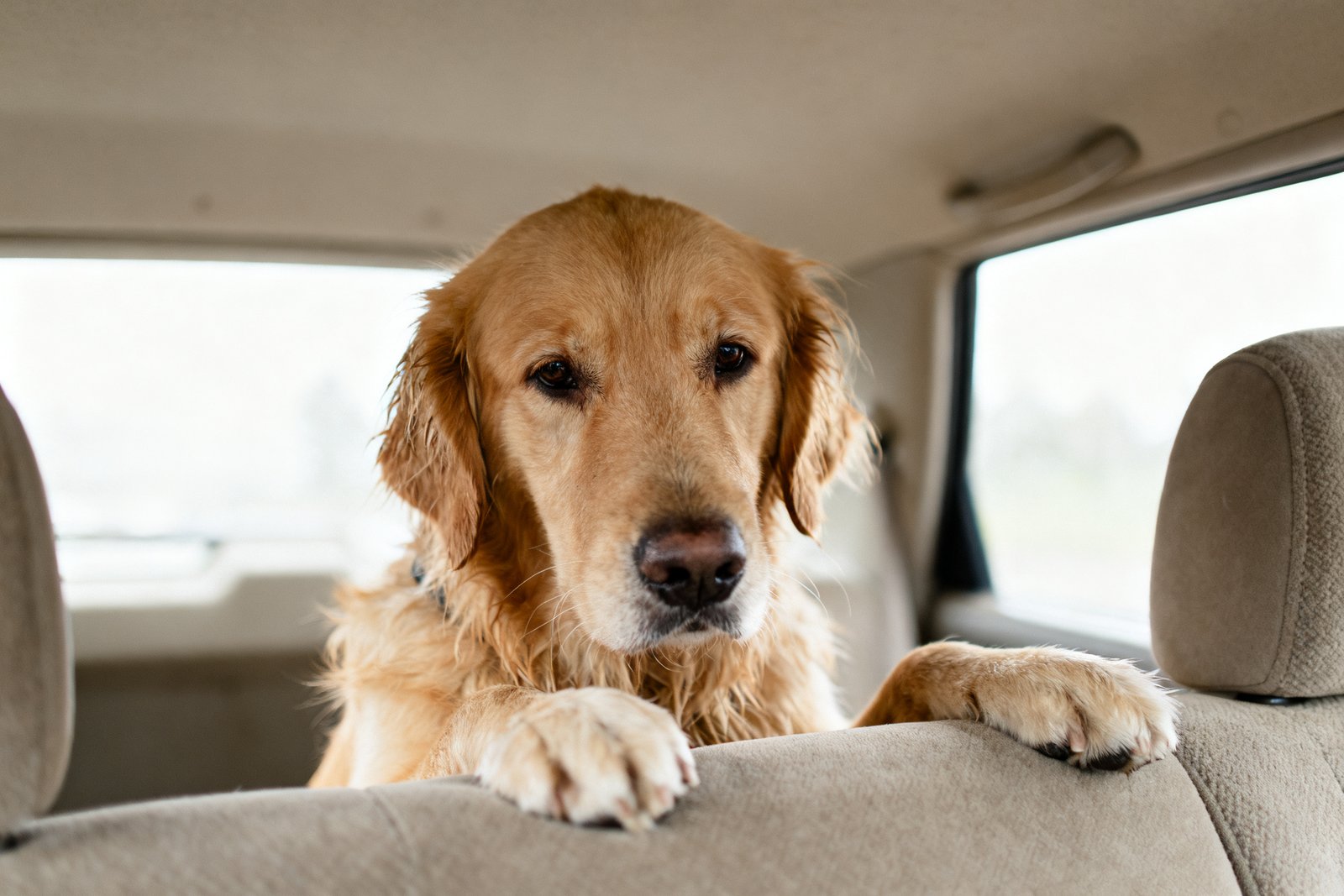
Few things spoil a drive faster than that unmistakable wet dog smell lingering in your car. It’s not your pup’s fault—dog coats trap moisture and natural oils that release odor, especially after rain, a lake day, or a bath. With the right steps, you can freshen the air, stop the smell at its source, and keep your car inviting for every passenger. Here’s a simple, pet-safe plan to help your car smell clean again—without masking odors or using harsh chemicals that could bother your dog.
What You’ll Need
- Microfiber towels
- Enzyme cleaner (pet-safe, for organic odors)
- White vinegar
- Baking soda
- Spray bottle
- Vacuum with upholstery attachments or a wet/dry vac
- Soft brush or upholstery brush
- Carpet/upholstery shampoo (pet-safe) or mild dish soap
- Charcoal odor absorber or a car cabin deodorizer (pet-safe)
- Plastic seat covers or washable seat protectors (optional for prevention)
Before You Start
- Work on a dry day if possible, or in a garage with good airflow. You want surfaces to dry thoroughly.
- Test any cleaner on a small, hidden spot first to avoid discoloration.
- Remove your dog from the car until cleaning is done and the car is fully dry and aired out.
Step-by-Step: How to Remove Wet Dog Smell
-
Air it out and remove damp items.
Open all the doors and windows. Take out anything damp or smelly: blankets, dog towels, toys, harnesses, and removable floor mats. Wash fabrics following care labels. Let mats dry in the sun if you can—the UV rays help reduce odors.
-
Blot and dry the interior.
Use microfiber towels to blot any moisture on seats, carpeting, and door panels. Press firmly; don’t rub. If you have a wet/dry vac, extract as much moisture as possible. The dryer your car is now, the easier it is to remove lingering odors.
-
Vacuum thoroughly.
Hair and dander trap smell. Vacuum seats, floors, crevices, and cargo areas with an upholstery tool. Use short strokes and overlap passes. A rubber brush can help lift stubborn hair from fabric.
-
Spot-treat with an enzyme cleaner.
Dog odors come from organic compounds. Spray a pet-safe enzyme cleaner on fabric areas that smell strongest (seat fabric, carpet, cargo liners). Gently work it in with a soft brush. Let it sit per the label (usually 10–15 minutes), then blot dry. Enzymes help break down odor-causing residue rather than covering it up.
-
Shampoo high-traffic fabric.
Mix a small amount of pet-safe carpet/upholstery shampoo or mild dish soap with warm water. Lightly scrub fabric seats and carpet with a damp (not soaked) brush. Avoid saturating foam beneath the fabric. Blot with clean towels, then use a wet/dry vac if available to pull out excess moisture.
-
Use a vinegar mist for deodorizing.
In a spray bottle, mix equal parts white vinegar and water. Lightly mist fabric surfaces and the air (don’t soak). Vinegar neutralizes odors as it dries. Leave doors open for 15–30 minutes to help the scent dissipate. Avoid spraying leather directly.
-
Refresh leather or vinyl carefully.
Wipe leather or vinyl seats with a slightly damp microfiber cloth and a tiny drop of mild soap, then wipe again with clean water and dry. Follow with a leather conditioner if you have it. Never use harsh cleaners or vinegar on leather—they can dry or dull the finish.
-
Treat lingering smells with baking soda.
Sprinkle a light layer of baking soda over dry fabric seats and carpets. Let it sit overnight to absorb odors. Vacuum thoroughly the next day. Baking soda is simple, safe, and effective for many organic smells.
-
Check and replace filters and hidden odor traps.
A musty or wet-dog scent can linger in your car’s cabin air filter. Check your owner’s manual and replace it if it’s old or damp. Wipe door seals and seatbelt fabric with a damp cloth—these areas can hold smell. Extend seatbelts fully to clean and let them dry before retracting.
-
Add an odor absorber, not a cover-up.
Place a bag of activated charcoal, zeolite, or a pet-safe deodorizer in the car for a week. These absorb smells rather than masking them with heavy fragrance, which can irritate sensitive dog noses.
-
Prevent future wet-dog odors.
Keep a dedicated dog towel in the car to dry your pup before they hop in. Use a washable seat cover or waterproof cargo liner. Crack windows slightly during drying drives (safely and weather permitting), and remove damp bedding at the end of the trip.
Tips for Success
- Dry is everything. Odor thrives in moisture. Prioritize drying—towels, air flow, and, if safe, gentle heat from the car’s defroster after cleaning.
- Layer your approach. Vacuum, enzyme clean, then deodorize. Skipping steps often leaves odor behind.
- Go light on liquids. Over-wetting upholstery drives odor deeper into foam. Mist and blot rather than soak.
- Sun helps. When possible, let mats and removable liners dry in direct sunlight.
- Regular maintenance. Quick vacuums and periodic enzyme spot-treats keep smells from building up.
- Mind the weather. On humid days, use a dehumidifier in your garage or run the car’s AC to help pull moisture out after cleaning.
Common Mistakes to Avoid
- Masking odors with strong perfumes. Dogs have sensitive noses, and heavy scents can be irritating.
- Using bleach or harsh chemicals. These can damage interiors and aren’t pet-safe.
- Forgetting the cabin air filter. It’s a common hidden source of lingering smells.
- Leaving damp blankets in the trunk. Even closed away, they keep the car humid and odorous.
- Skipping a spot test. Some cleaners can discolor fabric or harm leather finishes.
Safety Notes and When to Get Help
Ensure all products are pet-safe and fully dry before your dog rides again. Keep cleaners out of reach, and avoid aerosolized products around animals. If you notice mold growth, persistent dampness, or a strong musty odor that returns quickly, have a professional detailer or mechanic check for leaks, soaked insulation, or HVAC issues. If your dog seems unusually sensitive to smells or is coughing or sneezing after rides, consult your veterinarian to rule out allergies or respiratory irritation.
Frequently Asked Questions
Why does my car smell like wet dog even when it hasn’t rained?
Moisture can come from wet paws, a damp coat after play, a recently washed dog bed, or humidity that reactivates old odors in fabric. Hair, dander, and natural oils get trapped in upholstery and release smell when the air is warm or damp. Regular vacuuming and enzyme spot-treatments prevent buildup.
Can I use essential oils to freshen my car?
It’s best to avoid essential oils around pets without veterinary guidance. Many oils are irritating or unsafe for dogs, especially in enclosed spaces. Choose pet-safe odor absorbers like activated charcoal and stick to gentle cleaners.
What if my seats are leather—how do I remove the smell safely?
Focus on the surrounding fabric and carpet, where odors usually originate. For leather, wipe with a damp cloth and mild soap, then dry and condition. Avoid vinegar or harsh cleaners on leather. If smell persists, consider a professional leather-safe detail.
How do I stop the smell after beach or lake days?
Rinse your dog with fresh water before the ride home to remove salt and lake residue. Towel-dry thoroughly, use a waterproof seat cover, and crack the windows slightly for airflow. At home, wash the cover and air out the car. Keeping a small kit—towel, brush, and spare cover—helps a lot. For new dog parents, a simple planning list like our New Puppy Checklist can make trips smoother.