
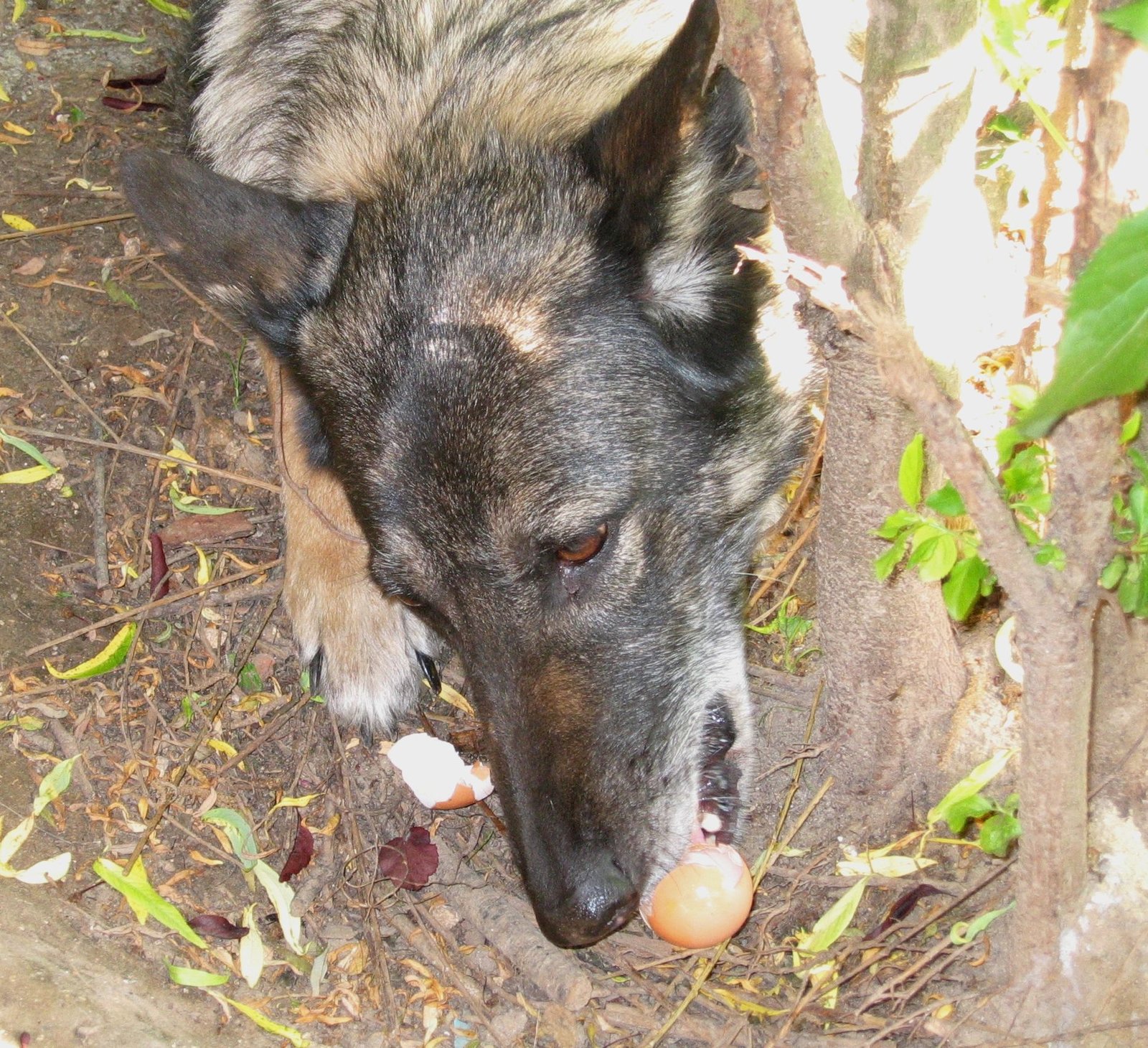
Image source: Wikimedia Commons
If you’ve ever made breakfast and caught your dog staring at your eggs like they’re the greatest thing on Earth, you’re not alone. The good news? Yes, dogs can eat eggs. But there’s a right way and a wrong way to serve them. PetMD AKC
The short answer
Dogs can eat eggs if they’re fully cooked and served plain. Boiled, scrambled, or poached eggs are generally safe in moderation. Raw eggs, heavily seasoned eggs, or eggs cooked with butter, oil, or salty add-ins are not the best choice. PetMD AKC ASPCA
1) Eggs can be a healthy treat for most dogs
Eggs are packed with high-quality protein, healthy fats, vitamins, and minerals. Veterinary sources note that eggs provide nutrients like vitamin A, vitamin B12, riboflavin, selenium, iron, folate, and fatty acids that can support your dog’s skin, coat, muscles, and overall health. PetMD AKC WebMD
That said, eggs should be treated as an extra, not the foundation of your dog’s diet. Your dog still needs a balanced food formulated for their life stage and health needs. AKC WebMD
2) Raw eggs are where the trouble starts
A lot of pet owners ask whether raw eggs are “more natural.” Most veterinarians say no. Raw or undercooked eggs can carry bacteria like Salmonella and E. coli, which may be harmful to both pets and humans. ASPCA AKC
There’s also another issue: raw egg whites contain avidin, which can interfere with biotin absorption over time. That’s one more reason cooked eggs are the safer option. PetMD WebMD
3) Plain eggs are fine — breakfast-style eggs are not
Your dog does not need eggs cooked in butter, oil, salt, garlic, onion, or spices. Those extras can turn a simple protein boost into a stomach upset waiting to happen. Garlic and onion are especially problematic for dogs, and overly fatty foods may also trigger digestive issues in some pets. PetMD AKC ASPCA
Best rule: if you’re making eggs for your dog, cook them plain and simple.
4) Some dogs should be more careful with eggs
Eggs aren’t ideal for every dog. Dogs with a history of pancreatitis, obesity, or certain prescription diets may need to avoid egg yolks or skip eggs altogether unless your vet says otherwise. That’s because yolks contain fat, and too many calorie-dense treats can add up fast. PetMD AKC WebMD
Dogs can also be allergic to eggs. If it’s your dog’s first time trying them, start with a small amount and watch for vomiting, diarrhea, itching, hives, coughing, sneezing, swelling, or unusual lethargy. AKC WebMD
5) The safest ways to serve eggs to dogs
Here are the easiest dog-friendly options:
- Hard-boiled eggs
- Scrambled eggs without butter or oil
- Poached eggs with no seasoning
- Chopped egg mixed into regular kibble
- A small spoonful spread on a lick mat for enrichment
Veterinary sources consistently recommend serving eggs fully cooked and plain. PetMD AKC
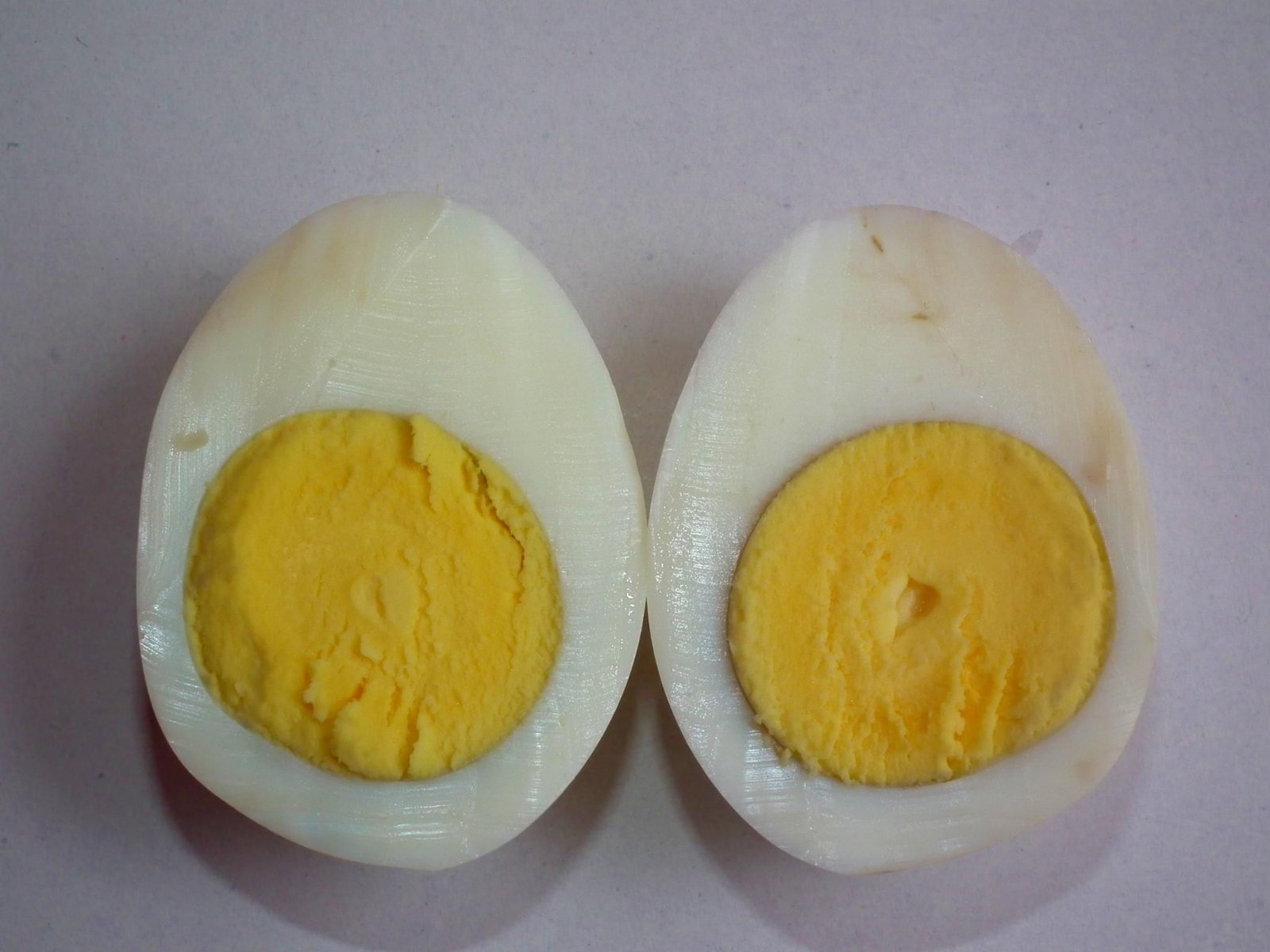
Image source: Wikimedia Commons
6) How much egg can a dog eat?
There isn’t one perfect amount for every dog. Size, age, activity level, and medical history all matter. A good starting point is to treat eggs like any other snack: small portions, introduced slowly, and not every meal. AKC WebMD
PetMD also reminds pet owners that all treats combined should make up no more than 10% of a dog’s daily calories. So even though eggs are nutritious, more is not always better.
Can puppies eat eggs?
Yes — puppies can eat cooked eggs occasionally, just like adult dogs. The same rules apply: serve them fully cooked, plain, and in small portions so they don’t crowd out balanced puppy food. PetMD WebMD
What about eggshells?
This one is more complicated. Eggshells contain calcium, but veterinary sources advise caution because shells can be sharp and may irritate the throat or digestive tract if not prepared properly. If you’re considering eggshells for calcium, ask your veterinarian first. AKC WebMD
Final verdict: can dogs eat eggs?
Yes, dogs can eat eggs — as long as they’re cooked, plain, and fed in moderation. Eggs can be a nutritious, protein-rich treat, but raw eggs, greasy add-ins, and oversized portions can create unnecessary risks. If your dog has allergies, pancreatitis, obesity, or a prescription diet, check with your vet before adding eggs to the bowl. PetMD AKC ASPCA
Recommended Amazon products for feeding eggs safely to dogs
Affiliate note: replace YOURTAG-20 with your Amazon Associates ID before publishing.
| Product | Best for | Price* | Rating* | Affiliate Link |
|---|---|---|---|---|
| Outward Hound Fun Feeder Slo Bowl – Large 4-Cup, Blue | Dogs that eat too fast | $11.96 | 4.7/5 | View on Amazon |
| MateeyLife Slow Feeder Dog Bowls 2PCS | Budget slow-feeding option | $8.99 | 4.6/5 | View on Amazon |
| ChefAide 2 Pack Lick Mat for Dogs | Spreading scrambled egg for enrichment | $5.99 | 4.4/5 | View on Amazon |
| Purina Pro Plan Veterinary Supplements FortiFlora | Digestive support if your dog has a sensitive stomach | $30.99 | 4.7/5 | View on Amazon |
| Nutramax Proviable Probiotics for Dogs and Cats | Another popular probiotic option | $19.97 | 4.6/5 | View on Amazon |
*Prices and ratings were current at the time of research and may change.
FAQ
Can dogs eat scrambled eggs?
Yes, as long as they’re fully cooked and made without butter, oil, salt, garlic, onion, or seasoning. PetMD AKC
Can dogs eat boiled eggs?
Yes. Hard-boiled eggs are one of the simplest and safest ways to serve eggs to dogs. PetMD
Can dogs eat raw eggs?
It’s not recommended because of the risk of bacterial contamination and reduced biotin absorption. ASPCA WebMD
Are eggs good for dogs with upset stomachs?
Sometimes they can be, but it depends on the dog and the underlying issue. Some sources note eggs may help settle mild stomach upset, but dogs with ongoing symptoms should see a vet. AKC WebMD