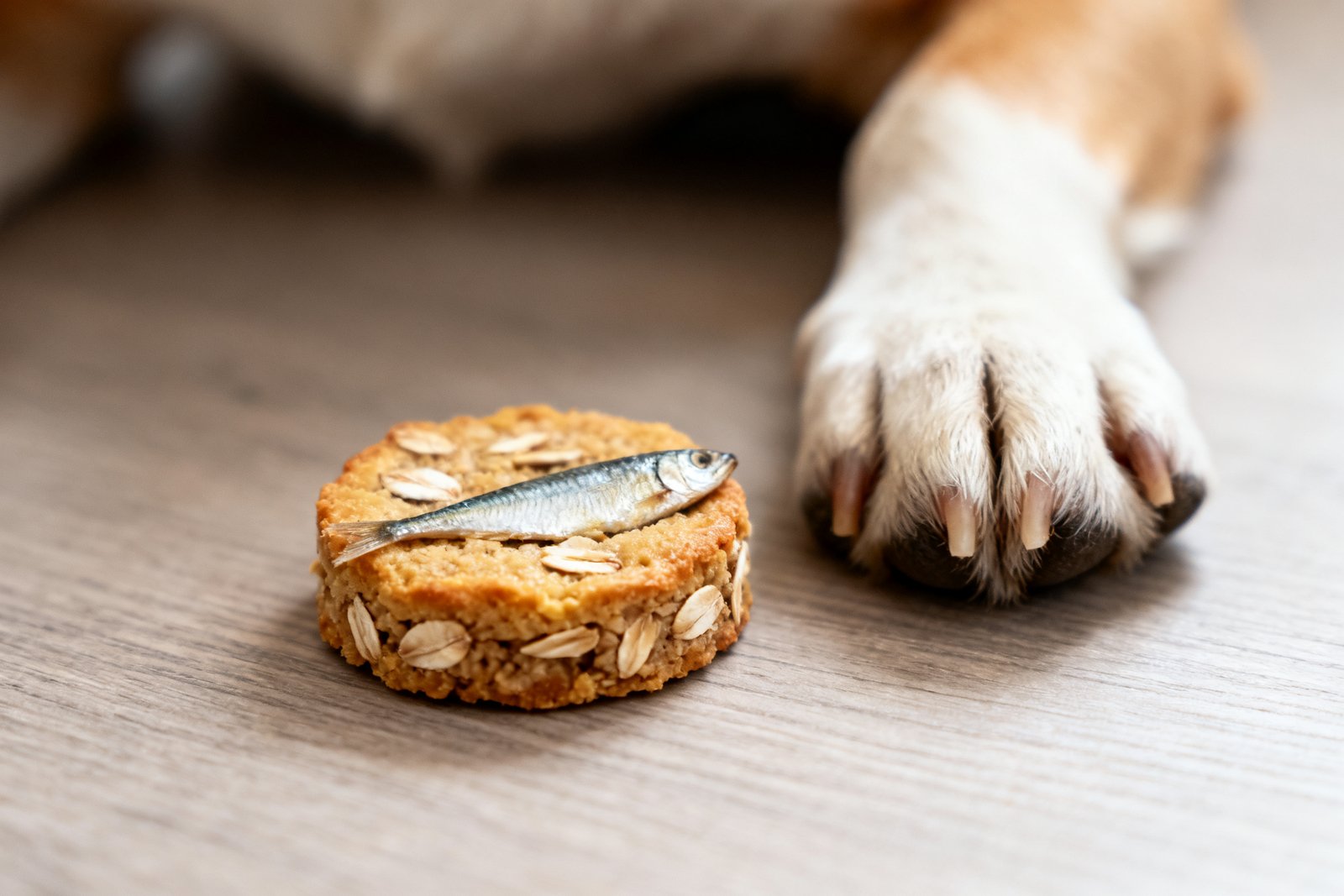
Few smells get dogs wiggling like fresh-baked treats, and these simple sardine and oatmeal bites are no exception. They’re packed with protein and healthy fats, easy to make, and gentle on most bellies. With just four pantry-friendly ingredients, you can whip up a batch that’s tasty, wholesome, and perfect for training or rewarding good manners.
These treats bake up soft and chewy, making them great for dogs of many ages and sizes. Plus, you control every ingredient—no mystery additives, no artificial flavors. Just good, honest food your pup will love.
Why Sardine and Oatmeal Treats Are a Smart Choice
Sardines are a nutrient-dense superfood for many dogs. They’re a natural source of omega-3 fatty acids (EPA and DHA), which support skin and coat health, joint comfort, and brain function. They also bring quality protein and important minerals like calcium and selenium.
Oats are gentle on the digestive system and provide soluble fiber, which can help maintain regularity. They’re also naturally gluten-free (though cross-contamination is possible), making them a nice alternative to wheat-based treats for some sensitive pups.
When combined with egg and a bit of flavor from parsley or cheese, you get a simple, balanced treat that’s easy for most dogs to enjoy in moderation. As always, check with your veterinarian if your dog has health conditions, food allergies, or is on a special diet.

Ingredients and Substitutions
- 1 can (3.75–4.4 oz) water-packed sardines, drained and mashed (no added salt if possible)
- 1 1/2 cups old-fashioned rolled oats (not instant)
- 1 large egg
- 1–2 tablespoons fresh parsley, finely chopped (optional, for breath and flavor)
Substitutions and notes:
- If your dog is sensitive to egg, you can try a “flax egg” (1 tablespoon ground flaxseed + 2.5 tablespoons warm water, rested 5 minutes). Texture will be a bit crumblier.
- You can replace parsley with a tablespoon of finely grated low-sodium cheese for pickier pups. Keep the cheese minimal due to fat and sodium.
- For extra binding, pulse half of the oats in a blender to make oat flour. This helps the treats hold their shape while staying soft.
- Avoid sardines packed in heavy oil or with added seasonings. Stick to water-packed, no-salt-added when possible.
Step-by-Step: Baking Your Dog’s New Favorite Treats
- Preheat your oven to 350°F (175°C). Line a baking sheet with parchment paper.
- In a bowl, mash the drained sardines with a fork until fairly smooth.
- Add the egg and whisk into the sardines until combined.
- Stir in the oats and parsley. The mixture should be thick and slightly sticky. If it feels too wet, add a bit more oats; if too dry, add a splash of water.
- For small bites, scoop teaspoons of dough and flatten gently into coins about 1/4 inch thick. For bars, press the mixture into a parchment-lined 8×8-inch pan and score with a knife.
- Bake 15–20 minutes for small coins (edges set, centers still a touch soft). Bars may take 22–28 minutes. You’re aiming for a firm set but chewy inside.
- Cool completely on the pan. If you made bars, cut along the score lines once cooled.
For a crunchier texture, you can return the sliced treats to a 300°F (150°C) oven for 10–15 minutes to gently dry them. Keep a close eye to avoid over-browning.
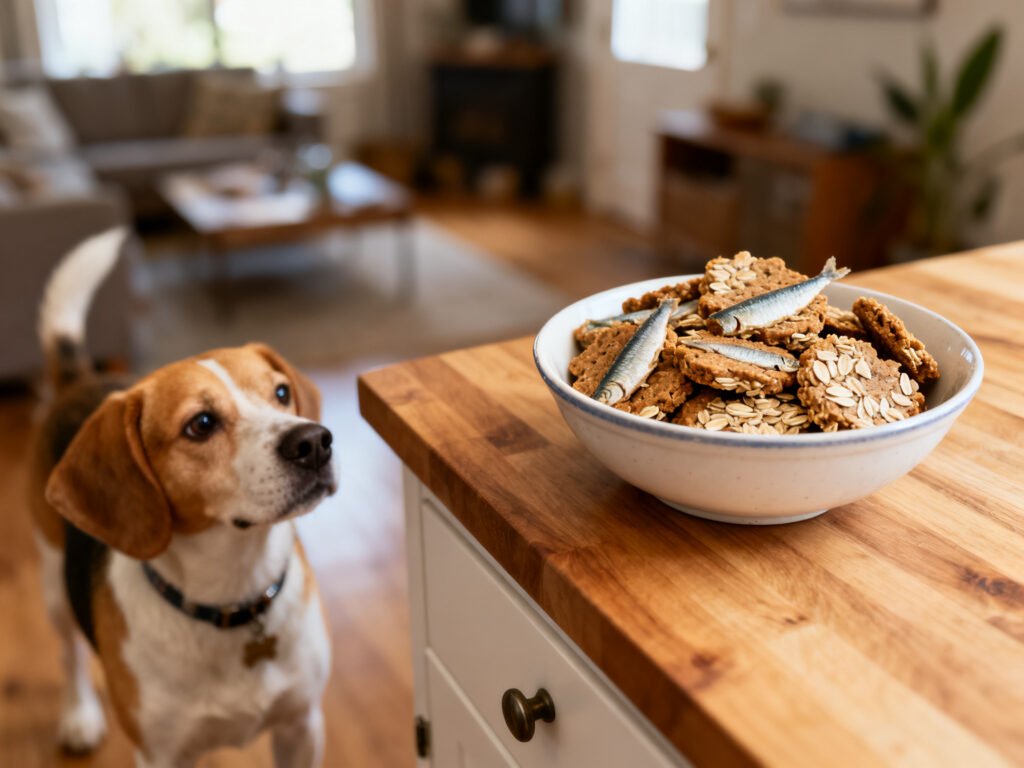
Portion Sizes, Storage, and Shelf Life
These treats are rich, thanks to sardines, so small portions go a long way. Think of them as a high-value training reward rather than a main snack.
- Serving size: For small dogs, pea-to-blueberry-sized pieces. For medium to large dogs, nickel-sized coins or small bars broken into bites.
- Frequency: Treats should make up no more than about 10% of your dog’s daily calories. Adjust regular meals accordingly if you use lots of treats for training.
- Storage: Store in an airtight container in the refrigerator for up to 5–6 days.
- Freezing: Freeze in a single layer, then transfer to a freezer bag. Use within 2–3 months. Thaw a few at a time in the fridge.
Note: Because these are moist, homemade treats without preservatives, room-temperature storage isn’t ideal. If you need shelf-stable options, bake until drier and store chilled, or choose commercially prepared treats.
Safety Tips and Ingredient Considerations
Most dogs tolerate sardines and oats well, but a few notes keep things safe and enjoyable. When in doubt, consult your veterinarian, especially if your dog has pancreatitis, kidney disease, food allergies, or is on a therapeutic diet.
- Salt and oil: Choose no-salt-added, water-packed sardines to avoid excess sodium and fat. If your dog is on a low-fat diet, ask your vet if sardines are appropriate.
- Fish bones: Canned sardines are pressure-cooked and the tiny bones are usually soft and safe, but mashing thoroughly helps ensure an even texture.
- Allergies: Egg and fish can be allergens for some dogs. Introduce new treats in tiny amounts and watch for itchiness, ear issues, or tummy upset.
- Portion control: Omega-3s are beneficial, but too much fat can cause GI upset. Start with small amounts, especially for sensitive stomachs.
- Dental considerations: These are soft treats. If your dog needs crunchy chews for dental wear, pair these with a dental routine approved by your vet.
Training Uses: High-Value and Customizable
Dogs tend to go wild for fishy treats, which makes these perfect for training sessions that require strong motivation. Break them into very small pieces to keep your dog engaged without overfeeding.
- High-value rewards: Use tiny bits for recall practice or tricky cues.
- Stuffable toys: Crumble a few pieces into a puzzle toy with some kibble to boost interest.
- Size and shape: Press the dough thinner and cut into small squares if you need uniform training pieces.
If your pup is just joining the family and you’re building routines, a little prep goes a long way. For helpful basics, check out our New Puppy Checklist.
Nutritional Snapshot
While exact nutrition varies by brand and portion size, here’s a general look at what these treats bring to the bowl:
- Protein: Sardines and egg support muscle maintenance and satiety.
- Omega-3 fats: EPA and DHA help maintain healthy skin, coat sheen, and may support joint comfort.
- Fiber: Oats provide soluble fiber, which can help with regular digestion.
- Micronutrients: Sardines offer calcium (from soft bones), vitamin D, and selenium; parsley adds a whisper of vitamins A and K.
Remember, these are treats, not a meal replacement. If you’re using them frequently, chat with your vet about balancing your dog’s overall diet.
Troubleshooting and Variations
The dough is too sticky
Add a tablespoon or two of oats or a spoonful of oat flour. Lightly wet your hands or spoon to shape the dough without sticking.
The treats are too crumbly
Blend half the oats into flour before mixing, or add a small splash of water. Ensure you’re using a full-size egg.
My dog won’t eat fish
Try mixing in a teaspoon of plain, low-sodium peanut butter or a sprinkle of Parmesan. Keep additions small to avoid excess fat or salt.
I want crunchier treats
After baking, slice the pieces thinner and bake at 300°F (150°C) for an additional 10–20 minutes, checking often. Cool completely for crispness.
Frequently Asked Questions
Can puppies eat these sardine and oatmeal treats?
Yes, in small amounts. The soft texture is puppy-friendly, and sardines provide beneficial omega-3s. Keep portions tiny and factor treats into daily calories to avoid overfeeding. If your puppy has a sensitive stomach or is on a specific diet, ask your veterinarian first.
How often can I give these to my dog?
Treats should be no more than about 10% of daily calories. For most dogs, a few small bites a day is plenty. Adjust your dog’s regular meals if you use many treats for training and monitor weight and stool quality.
Are sardines safe for dogs with pancreatitis?
Sardines can be higher in fat, which may not be suitable for dogs with a history of pancreatitis or those on low-fat diets. Always consult your veterinarian before offering fishy treats to dogs with these conditions.
Can I use tuna or salmon instead of sardines?
You can, but choose water-packed, no-salt-added options and be mindful of fat content and potential mercury levels. Sardines are generally considered a lower-mercury choice. Introduce any fish-based treat slowly and watch for digestive changes.
Final Thoughts
These 4-ingredient sardine and oatmeal treats are simple, flavorful, and packed with dog-friendly nutrition. With minimal prep and a short ingredient list, they make it easy to give your pup something homemade and wholesome. Start small, store them well, and enjoy the happy tail wags that follow your next baking session.