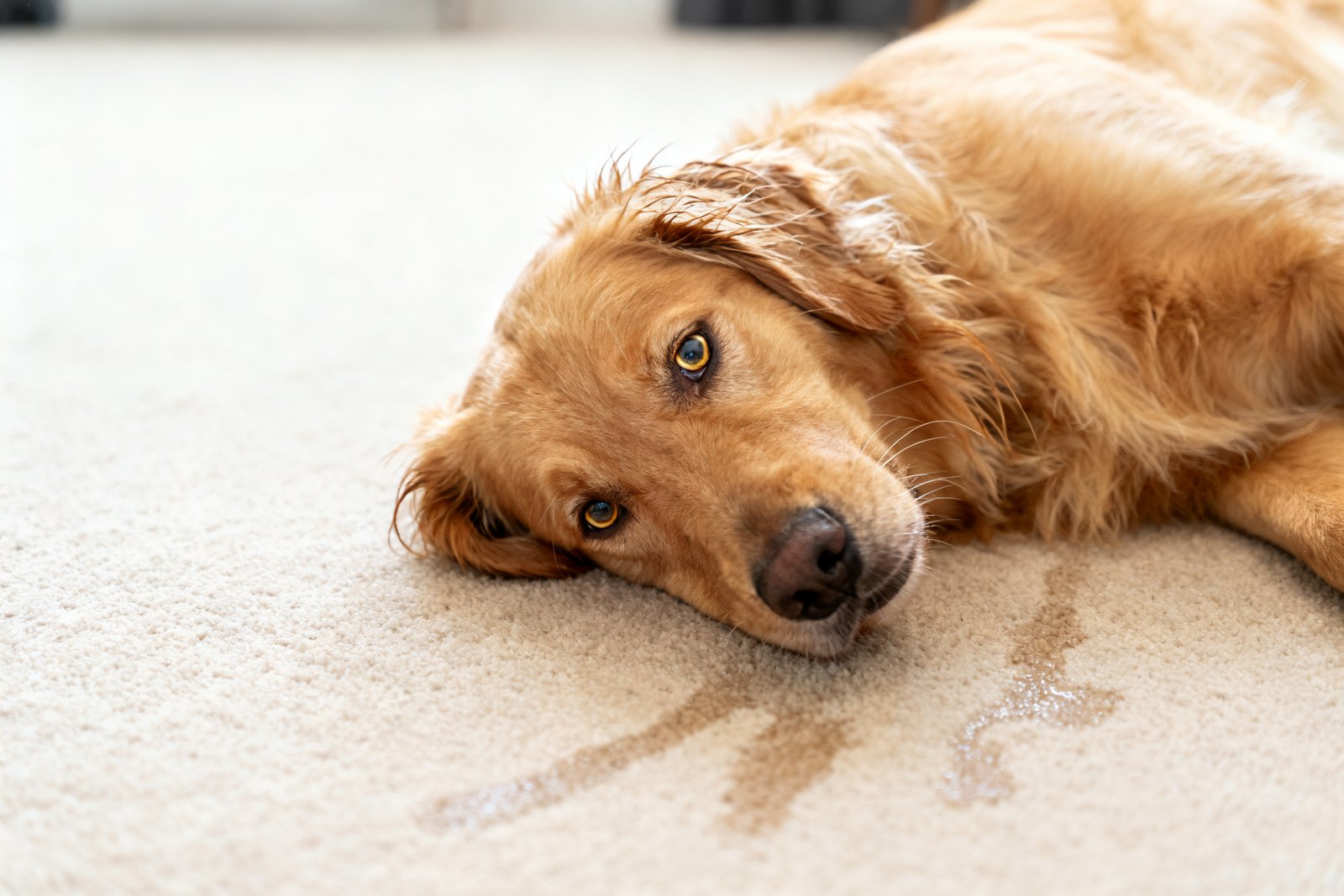
There’s nothing quite like the cozy joy of a damp pup after a rainy walk—until that wet dog smell settles into your carpet. If your home has taken on that musty, doggy odor, don’t worry. With a few simple techniques and the right tools, you can lift smells from deep in the fibers and keep them from coming back. This guide walks you through safe, pet-friendly methods that really work.
What You’ll Need
- Clean, absorbent towels or microfiber cloths
- Baking soda
- White distilled vinegar
- Spray bottle
- Mild dish soap (optional)
- Enzyme cleaner labeled safe for carpets and pets
- Vacuum with a clean filter
- Fan or dehumidifier
- Rubber gloves (optional)
Before You Start
- Test any cleaner on a hidden spot of carpet to check for colorfastness.
- Open windows or run a fan for airflow—drying is half the battle against odor.
- If your dog had an accident on the carpet, use an enzyme cleaner designed for pet stains to break down odor-causing proteins.
Step-by-Step: Remove Wet Dog Smell From Carpet
-
Blot up moisture right away.
Use clean towels to press firmly into the damp area. Replace towels as they become wet. Avoid rubbing, which can push moisture deeper into the padding.
-
Improve airflow and drying.
Point a fan directly at the area or run a dehumidifier in the room. The faster the carpet dries, the less time odor-causing microbes have to multiply.
-
Apply a light vinegar solution to neutralize odor.
Mix one part white vinegar to two parts warm water in a spray bottle. Lightly mist the smelly area until it’s damp but not soaked. Vinegar helps neutralize musty odors without leaving a perfume-like scent. Let it sit for 10–15 minutes.
-
Blot again to remove excess.
After the vinegar solution has worked, blot with clean towels to lift out moisture and odor.
-
Optional: Add a drop of mild dish soap for stubborn grime.
If the carpet feels grimy (for example, muddy paws), mix a few drops of mild dish soap into warm water and lightly dab the area. Follow by blotting with plain water to rinse, then blot dry. Don’t over-wet.
-
Use an enzyme cleaner if pet odors persist.
For lingering doggy smells, especially from drool, oils, or accidents, apply an enzyme cleaner as directed on the label. Enzymes break down organic material that causes odors. Let it sit for the full recommended time before blotting.
-
Apply baking soda to absorb odors as it dries.
Once the carpet is just slightly damp or dry to the touch, sprinkle a generous, even layer of baking soda over the area. Work it gently into the fibers with your fingers. Leave it for at least a few hours—overnight is best.
-
Vacuum thoroughly.
Vacuum up all baking soda using slow, overlapping passes. Make sure your vacuum filter is clean; a clogged filter won’t pull up fine powder well.
-
Repeat as needed for deep-set odors.
Stubborn smells may need a second round of baking soda or enzyme cleaner. Keep airflow going between treatments.
-
Finish with a full-room refresh (optional).
If the whole room smells musty, lightly mist high-traffic areas with the vinegar solution, allow brief contact time, dry thoroughly, then apply a thin layer of baking soda and vacuum. A carpet-safe steam cleaner can help, but use minimal moisture and proper extraction.
Tips for Success
- Dry first, deodorize second. Odor clings when carpets stay damp. Prioritize drying with fans and dehumidifiers.
- Avoid heavy perfumes. Strong fragrances may only mask odor and can bother pets’ sensitive noses. Aim to neutralize, not cover.
- Don’t oversaturate. Too much liquid can push smells deeper into the pad. Work with light applications and blotting.
- Replace vacuum filters regularly. A fresh filter improves suction and helps capture fine, odor-holding dust.
- Mind the padding. If moisture soaked into the carpet pad, professional extraction may be needed for a full fix.
- Wash dog bedding and nearby textiles. Curtains, throws, and beds can reintroduce smells. Launder them while treating the carpet.
- Keep paws and coats clean. A quick towel-off or blow-dry after rainy walks reduces future carpet odor.
- Use pet-safe products. Check labels for “pet-safe” or “for use around pets,” and keep pets off treated areas until fully dry.
Common Mistakes to Avoid
- Using too much vinegar or not diluting it. Strong vinegar can leave its own lingering smell. Always dilute and don’t flood the area.
- Skipping the enzyme step for organic odors. Regular cleaners can’t break down proteins and oils—enzymes can.
- Applying heat to a wet, smelly carpet. Hot water or steam without proper extraction can set odors and push moisture deeper.
- Rubbing instead of blotting. Rubbing spreads moisture, dirt, and odor molecules further into the fibers.
- Neglecting the room’s humidity. High humidity slows drying and feeds musty smells. Use ventilation and dehumidifiers.
Safety and When to Get Help
Always ventilate when using cleaning solutions, and keep pets and children away from damp, treated areas until fully dry. Avoid mixing cleaners—especially anything with ammonia or bleach—as fumes can be irritating and unsafe. If the odor returns after multiple tries, if water damage was extensive, or if there’s visible mold, contact a professional carpet cleaner who offers deep extraction and antimicrobial treatment. If your dog’s smell seems unusually strong, persistent, or is accompanied by skin issues or frequent accidents, check with your veterinarian to rule out skin, ear, or urinary problems.
Frequently Asked Questions
Why does my carpet smell like wet dog even after cleaning?
Moisture and natural dog oils can settle deep into carpet fibers and the padding below. If the carpet stayed damp too long or was oversaturated during cleaning, odors can linger. Thorough drying, enzyme treatment, and baking soda usually solve it, but deep-set smells may need professional extraction.
Is vinegar safe for carpets and pets?
Yes, diluted white vinegar is generally safe on most carpets and safe around pets once dry. Always spot-test first to check for colorfastness, and let the area dry completely before allowing your dog back on it.
Will baking soda damage my vacuum?
Baking soda is fine to vacuum, but it’s a very fine powder. Make sure your vacuum has a clean filter and empty the canister afterward. If your vacuum struggles with fine dust, consider using a shop vac with a HEPA filter.
What if the smell keeps coming back?
Recurring odors usually mean moisture reached the padding or subfloor. Repeat enzyme treatment and improve airflow. If that doesn’t work, schedule a professional cleaning with hot water extraction and strong drying. In severe cases, padding replacement may be needed.
Keeping your dog clean and dry, washing their bedding regularly, and staying on top of spills will go a long way toward a fresher home. If you’re welcoming a new furry friend soon, you might also like our New Puppy Checklist for stress-free prep.